The secret’s in the soil.
In recent years, as sustainability and environmental awareness have increased, farmers and cultivators are starting to change how they produce their crops, and taking better care of the soil is a big part of that.
That is the reason behind growing trends such as living soil and super soil as two natural, sustainable ways to improve plant health and soil structure long-term.
But what exactly is living soil? And how does it differ from super soil?
In this guide, we’ll explore these two powerful concepts, how they work, and how you can use them to improve your crops and harvest. Whether you’re curious about organic living soil, want to know how to make living soil, or are trying to decide between super soil vs living soil, you’re in the right place.
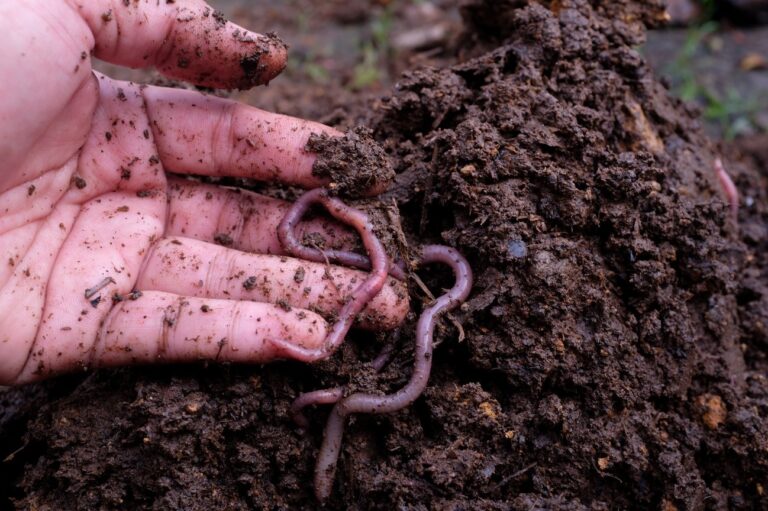
What Is Living Soil?
Living soil is exactly what it sounds like: soil that’s alive.
Instead of treating soil as an inert growing medium, the living soil approach recognises it as a thriving ecosystem. Packed with billions of microorganisms, fungi, beneficial bacteria, protozoa and nematodes, living soils support plants by naturally cycling nutrients and building strong root environments.
In a healthy living soil, everything works in harmony:
- Organic matter breaks down naturally,
- Microbial life converts nutrients into plant-available forms,
- Roots interact with beneficial fungi (like mycorrhizae),
- And the entire system adapts dynamically to the plant’s needs.
This makes living soil incredibly resilient and sustainable. It improves soil structure, boosts nutrient retention, increases water-holding capacity, and, when developed correctly, is less prone to soil diseases.
That said, maintaining a thriving living soil takes time, knowledge, and ongoing care. While it rewards you with long-term soil health and reduced need for bottled fertilisers, it’s not always the most beginner-friendly option.
For those looking for a more hands-off approach, there’s a simpler alternative: super soil. Let’s take a closer look at what it is and how it compares.
What Is Super Soil and How Is It Different?
While living soil thrives with microbial life, super soil it’s a pre-amended soil with a complete mix of nutrients and organic matter, designed to feed plants through their entire life cycle with little to no additional input.
Super soil is essentially a “ready-to-grow” substrate. It’s typically created by mixing high-quality compost with worm castings, rock dusts, bat guano, blood meal, bone meal, and other slow-release organic amendments.
After blending, it’s left to “cook”, a resting period of several weeks where microbial life activates and the materials begin to break down and stabilise.
So, how does it differ from regular living soil?
- Living soil is an ongoing ecosystem that needs to be managed with compost teas, top dressings, and microbial inoculants throughout the grow.
- Super soil, on the other hand, is front-loaded. Once prepared properly, it requires minimal intervention, just water and a bit of care.
This makes super soil ideal for cultivators who prefer low-maintenance, organic cultivation. It’s especially popular in container gardening and no-dig setups, which we discuss in this blog, where the goal is to maintain a rich, self-sustaining medium.
Still, both systems share the same core principle: nurturing the soil, not just feeding the plant.
How to Make Living Soil at Home (Even If You’re Not a Soil Expert)
So, how to make living soil if you’re starting from scratch? Creating your own organic living soil may sound complex, but it all comes down to combining the right ingredients in the right proportions. Here’s a simple, balanced recipe to get you started:
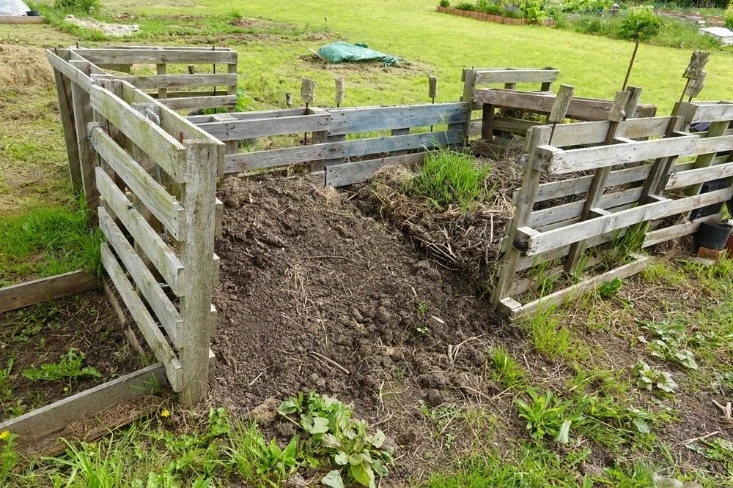
1. Compost (15%)
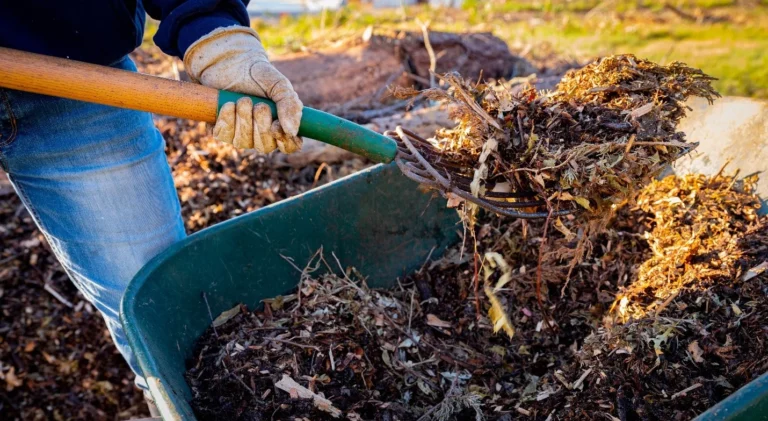
Use mature, thermophilic compost made from organic crop residues, leaves, straw, or manures. When properly made, this provides a solid base of slow-release nutrients and introduces beneficial microorganisms.
2. Worm Castings (20%)
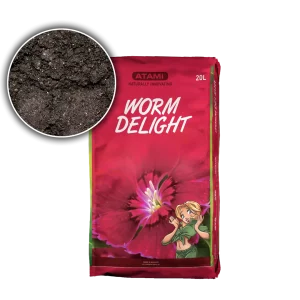
Also known as vermicompost, this is rich in humus and microbial life. For best results, it should come from composted materials, not raw manure, to avoid excess salts or harmful residues.
✅ Use Atami’s Worm Delight to naturally enhance microbial diversity and soil vitality.
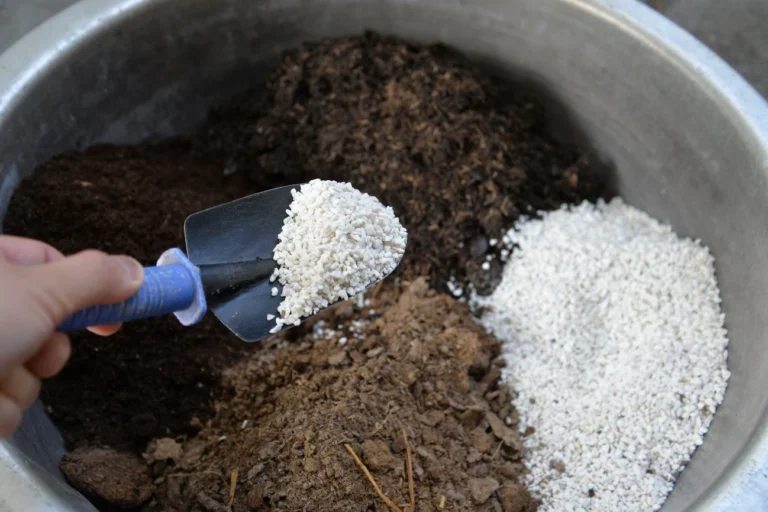
3. Aeration (30%)
To keep the soil loose and breathable, mix in vermiculite (ideal for long-term beds) or perlite (best for pots). This prevents compaction and helps water reach the roots more effectively. For soil mixtures, you can use wood bark, coco chips, etc. Although they will decompose over time, they also facilitate aeration.
4. Coco Fibre or Peat (30%)
Both improve water retention and structure. Coco has a better carbon-to-nitrogen ratio and is more sustainable than peat.
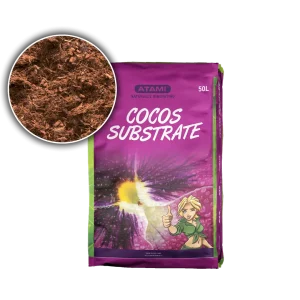
✅ Atami’s Cocos Substrate is a premium base, naturally buffered and pH stable: the perfect foundation for living soil mixes.
5. Organic Amendments (2.5%)
This is your soil’s nutrient bank. Use a mix of slow- and fast-release organic materials like bone meal, kelp meal, insect frass, or volcanic rock dusts to enrich microbial life and support long-term fertility.
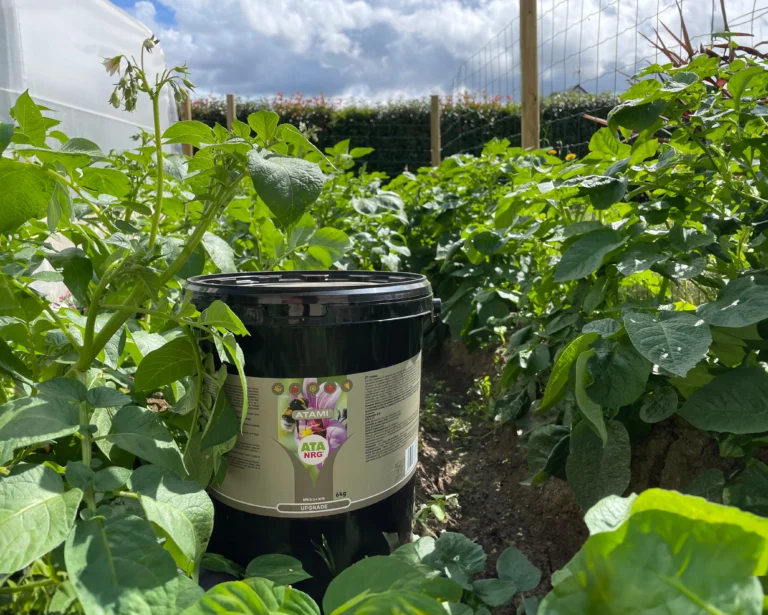
✅ Atami’s ATA NRG Upgrade provides essential nutrition to support long-term plant and soil health. This slow-release organic fertiliser is rich in nitrogen and beneficial minerals that feeds the soil gradually, keeping it biologically active.
6. Microbial Inoculants (2.5%)
While compost and worm castings already contain beneficial life, adding specific microorganisms or mycorrhizal fungi can further activate the soil and enhance nutrient cycling.
💡 Atami Tip:
Easy formula to remember?
Base + Compost + Aeration + Amendments/Inoculants = Living Soil That Thrives
Once mixed, let your soil “cook” for 2–3 weeks to allow microbial life to stabilise and nutrients to become bioavailable. Keep it moist and warm during this time.
With a little patience and the right ingredients, you’ll have a self-sustaining substrate that supports your crops from seed to harvest and improves with each cycle.
Living Soil vs. Super Soil: Which One is Right for You?
Both living soil and super soil aim to create a fertile, self-sustaining environment — but they suit different grower profiles and purposes:
- Living Soil
Ideal for long-term, low-impact cultivation. It requires more care, observation, and patience, but rewards growers with resilient crops, reduced need for inputs, and healthier soil year after year.
→ Best for growers committed to sustainability and continuous improvement. - Super Soil
A ready-to-use solution, packed with nutrients. Designed to carry your plants through a full cycle without extra feeding, it’s perfect for large containers and intensive growing.
→ Great for hobby growers, balcony gardens, or high-demand crops where ease and yield are key.
Conclusion: Feed the Soil, Feed the Future
In gardening and agriculture, taking care of the soil is taking care of everything else.
Whether you choose to nurture a living soil ecosystem or build a powerful super soil mix, the key is creating a space where life and nature work with you, not against you.
Atami supports you every step of the way, from premium substrates to organic enhancers, so your soil stays full of life, and your harvests full of flavour.