Washed & Buffered Cocos is the latest coco coir substrate we have launched on the market. Maybe you have already seen it on our social networks and want to know more about it. Or maybe you’re looking for a high-quality coco substrate with which to get the results you crave… Don’t worry, you’ve come to the right place.
In this post we introduce you to Washed & Buffered Cocos and show you how it can help you make a difference in the growing game. Let’s find out more about this new product!

So… What is Washed & Buffered Cocos and how does it stand out from the rest?
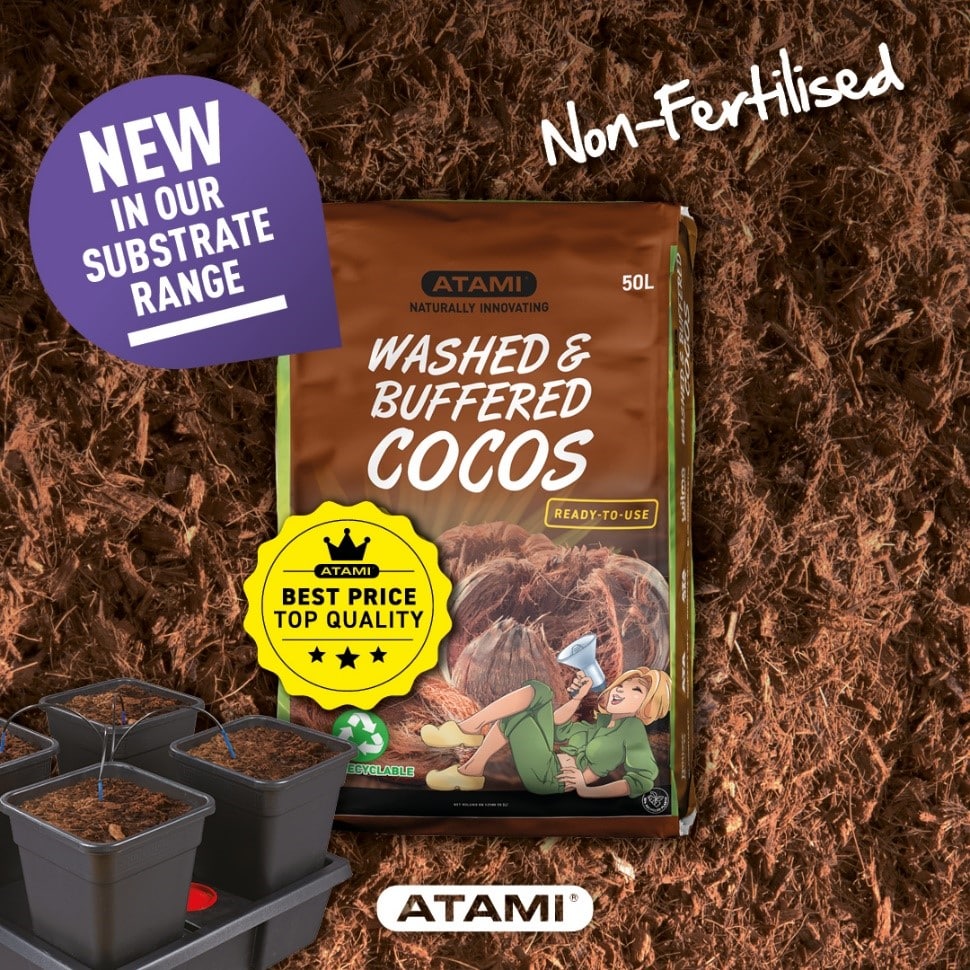
Imagine a substrate that is 100% pure coco – no added fertilisers, so you have total freedom and control. That’s what makes Washed & Buffered Cocos so versatile and ideal for experienced growers. This coco is made from high quality coco fibre, washed and buffered, to give you the best.

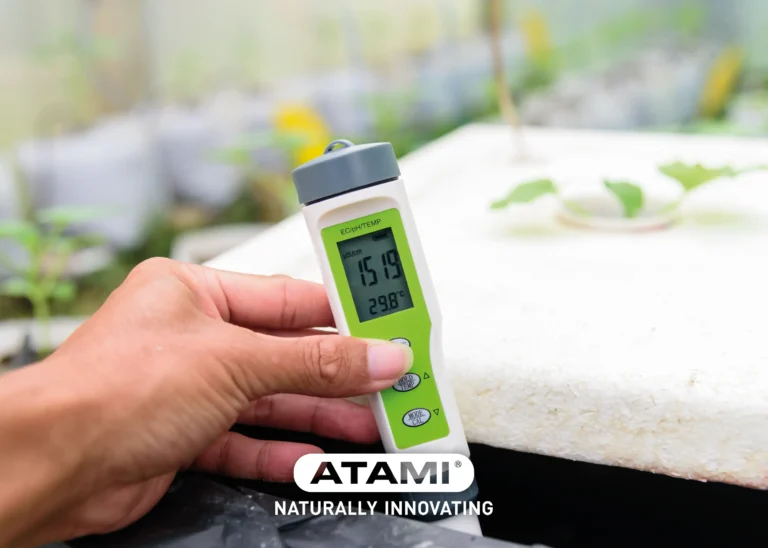
Moreover, we can consider Washed & Buffered Cocos a very clean substrate in terms of EC. It achieves a 0,2 – 0,3 mS/cm which is lower than most tap waters!
This means that the substrate is like a blank canvas. Excellent if you want to have full control and the ability to customize the nutritional and EC values for your crop according to your preferences and needs.
But as you know, with great power comes great responsibility ;). You will need to be careful, start adding fertilisers from the beginning and check the EC. In addition, coco substrates do not have as much pH buffering and nutrient holding capacity compared to peat substrates. This makes them need more control, both for the good and the bad. However, the pH of this substrate is ideal for growing, so check it to make sure it stays that way.
Also remarkable is its great water retention capacity, which is one of the main characteristics of coco fibre as a growing medium. This, combined with its light and airy structure, makes this substrate an ideal water/air balance.

But hey! Let’s stop for a moment… If you have arrived here and read the term buffering, you may have no idea what we’re talking about! Clearly, if it’s part of the product name, you’re probably wondering why it’s so important, so let’s take a look.
What is Buffering, and why is it so important?
Buffering is the secret sauce that makes all the difference. You see, coco fibres naturally contain higher concentrations of sodium and potassium, which are positively charged ions. This phenomenon stems from the coconut tree’s proximity to the salty coastlines. If the coco fibres aren’t properly buffered and washed, they’ll retain the potassium and sodium. Knowing that too much sodium is toxic to plants, you can imagine that this is not a good thing.
When you provide nutrient solutions with stronger positively charged ions such as calcium and magnesium, these ions push out sodium and potassium into the nutrient solution, leading to an imbalance. In other words, the absence of buffering leads to an excess of sodium and potassium and a shortage of calcium and magnesium, creating growth problems and even deficiencies on your crop!
But then buffering comes into play and saves your crops from this problem.
How this works? By buffering the coco fibre, we treat it to replace the sodium and potassium ions with calcium and magnesium beforehand. So, when you add nutrient solution to the buffered coco fibre, the calcium and magnesium ions remain in the medium, available to nourish your plants. You can check our YouTube animation for more info!
No more worries about excess excesses or deficiencies—just thriving, happy greenery!
But there are many different types of coconut substrates, Cocos Substrate, High Porosity Cocos… When should I choose Washed & Buffered Cocos?
Now that you understand the magic of Washed & Buffered Cocos, when should you choose it? The answer is simple: any time you want to start with your nutrition regime for the very beginning!
Its low electrical conductivity (EC) ensures you have complete control over your plant’s nutrition right from the start. With an EC as low as 0.2-0.3 mS/cm, you have the power to customise your plant’s diet.
Plus, this substrate has all the advantages of growing in coco – exceptional water retention capabilities while maintaining optimal aeration for your plant’s roots – making it a natural choice for coco enthusiasts.
All this makes it a very versatile option, ideal for growing different types of plants, with cultivation styles to suit all tastes. Moreover, thanks to its structure and the fact that it is not fertilised, it is an ideal substrate for the germination of seeds, rooting of cuttings and plants with an immature root system.
If you’ve got this far, it’s time for a few tips on how to use Washed & Buffered Cocos!
As we have emphasised throughout this post, to get the most out of this substrate, you need to add fertiliser from the start. Otherwise, the plants will start to show deficiencies and will not grow properly. It’s important to use specific fertilisers for coco coir, and even supplement them with calcium and magnesium additives like CalMag to ensure that this substrate allows your plants to reach their full potential.
As for watering, simply make sure it dries out slightly before watering. As we have already mentioned, coco has a great moisture retention, so you will have to adjust your watering to its drying rate, but don’t let it dry out completely!
Your plants deserve the very best and Washed & Buffered Cocos provides exactly that. This substrate encapsulates all the benefits of coco coir and then some. With Atami’s commitment to quality, you know you are getting a 100% natural, washed and buffered coco fibre substrate, with no added fertilisers, that will be the perfect base for your plants to thrive.

Frequently Asked Questions About Everything You Need to Know About Washed & Buffered Cocos Substrate
What exactly is the Atami Washed & Buffered Cocos substrate?
Washed & Buffered Cocos is a 100 % pure coco fibre substrate, washed and buffered, with no added fertilisers. That gives growers full control over nutrition from the start.
What makes the low electrical conductivity (EC) of this substrate important?
This substrate has an EC of just 0.2 – 0.3 mS/cm — lower than most tap waters — meaning it acts as a “blank canvas”. You can customise nutrient regimes without interference from pre-loaded salts.
Why is buffering of coco fibre beneficial for plant growth?
Natural coco fibres may contain high sodium and potassium, which can cause imbalances. Buffering replaces those with calcium and magnesium, ensuring plants receive balanced nutrition instead of suffering from excess or deficiency.
When is Washed & Buffered Cocos especially recommended for use?
It’s ideal whenever you want to start with full control over your nutrient programme — from seed germination, rooting cuttings, or for growers using customised fertilisers.
What are the water-air characteristics of this coco substrate?
It offers excellent water retention thanks to the coco fibre, yet maintains a light, airy structure enabling optimal root oxygenation — delivering an ideal water/air balance.
What are key grower pain-points this substrate addresses?
It addresses issues like pre-loaded fertilisers limiting control, high EC interfering with custom nutrient plans, and substrates that hold too little air. This product gives full control and ideal structure for root health.
What must growers keep in mind when using this non-fertilised coco substrate?
Because it has no added fertiliser, you must start feeding plants from the beginning and select fertilisers suited to coco. Also, monitor EC and pH carefully — coco has lower buffering capacity than peat.
How does the buffering process improve nutrient availability in coco?
During buffering, calcium and magnesium ions replace sodium and potassium in the fibre. That means when you add nutrient solution, roots benefit from stable Ca & Mg rather than dealing with excess Na/K that can cause stress or deficiencies.
Can this substrate be used for any type of crop or growing system?
Yes — because it’s a clean, unfertilised substrate with strong air-water balance, it’s versatile enough for different plant types, rooting, seedlings, and advanced systems where growers customise nutrition.
What is the key takeaway if I’m considering switching to Washed & Buffered Cocos?
If you want maximum freedom over your nutrient regime, consistent root health and optimal aeration/water retention, then this substrate is a strong choice. Just remember: you’re taking control — so you’ll need to manage fertilisation and EC from day one.
Ready to elevate your plant game?
Give Washed & Buffered Cocos a try and witness the results for yourself. Your plants will respond with lush and abundant harvests. If you want to see the YouTube animation to learn more about this new substrate, you can watch it below. Happy growing!