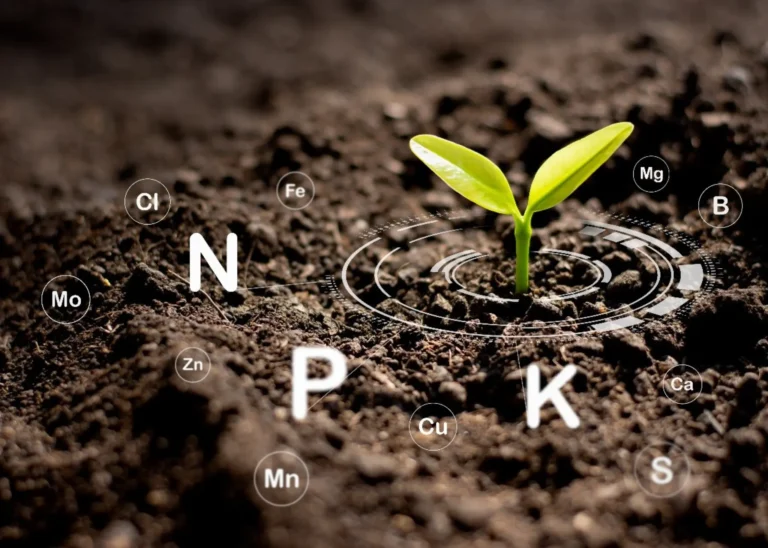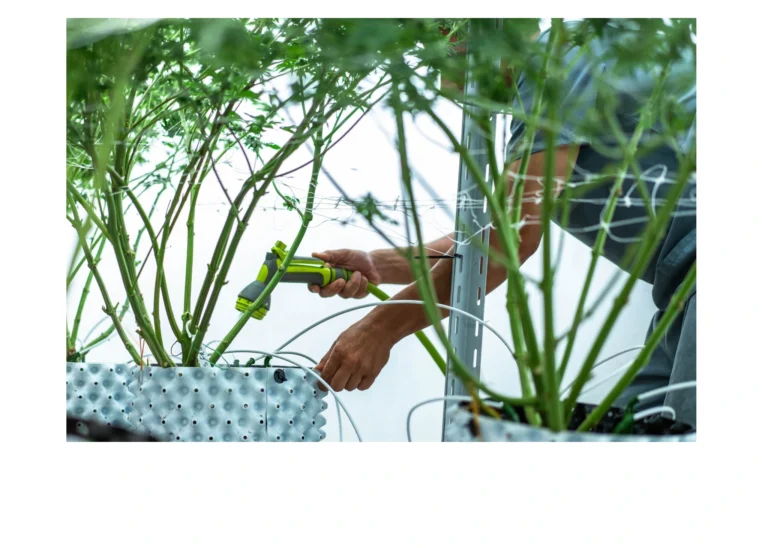
A garden can be much more than just pretty plants and flowers. It can be a living ecosystem.
Think of vegetation, small animals, insects, microorganisms… all working together. Earthworms that aerate the soil, flowers that attract pollinators, plants that provide food and shelter, small predators that control pests.
Everything is connected.
Everything is useful.
That is a biodiverse garden. And it’s not just ecological: it’s productive, resilient and sustainable. It keeps the soil fertile, helps retain water and protects your crops without chemicals.
You don’t need to be an expert to get started. With a good choice of plants, balanced substrates, fertilisers and biostimulants that support soil life, your garden can grow healthy and strong, while contributing to the balance of the environment.
In this blog, you’ll discover how to take advantage of biodiversity so that your garden not only grows, but thrives naturally and efficiently.

Why biodiversity matters in your garden
Diversity isn’t just a nice concept: it’s the basis of a healthy and productive garden. The more species that coexist in your vegetable garden or garden, the more stable the ecosystem becomes. Let’s review the keys to a biodiverse, healthy and productive garden:
• Plants, microorganisms and fauna working together
Each organism plays a role. Earth worms improve soil structure and water retention capacity. Pollinating insects ensure that your flowers and vegetables bear fruit. Natural predators control pests without the need for chemical pesticides.
• Fertile soil and resilience
A biodiverse soil is a living soil. The presence of different organisms helps break down organic matter, release nutrients and maintain a natural balance that protects against disease and other abiotic stresses.
• Products that promote biodiversity
Balanced substrates, complete fertilisers and biostimulants can be strategic allies. They support microbial activity and strengthen plants, creating a more resilient and efficient ecosystem.
In short, investing in biodiversity in your garden and vegetable patch means improving fertility, increasing productivity and reducing problems caused by biotic and abiotic stress, in a completely natural way.
It’s not magic; it’s science applied to every pot, bed or flowerbed.
Sounds good, right?
Now let’s get down to earth: we’ll give you practical ideas for boosting biodiversity and getting the best possible harvest… or simply a healthy, beautiful garden full of life.
Practical ideas for increasing biodiversity: gardens and vegetable gardens
To turn your vegetable garden or garden into a healthy ecosystem, it is a good idea to implement several complementary strategies:
• Complementary crops:
Growing species strategically not only improves plant health, but also attracts natural allies:
o Legumes such as peas or beans fix nitrogen in the soil, enriching your vegetables.
o Planting flowers near vegetables attracts beneficial insects, pollinators and natural predators of pests.
o Sacrificial plants such as garlic or marigolds divert pests away from main crops.
o Flavour associations, such as tomatoes with basil, improve the resistance and flavour of the harvest.

• Shelters and microhabitats:
o Providing hiding places and resting spots helps natural allies thrive and maintain balance:
o Leaf litter, woody stems, and small walls provide natural hiding places.
o Insect boxes, logs, or stones help ladybirds, solitary bees, and earthworms take refuge, settle, and fulfil their ecological role.

• Urban gardens and pots:
o Even in small spaces, you can create biodiversity and an active ecosystem:
o Mix vegetables with herbs and edible flowers to maximise biodiversity in small spaces.
o Use rich, balanced substrates, such as Kilomix or Bi Grow Mix, which support microbial activity and strengthen roots even in containers.

• Crop rotation and association:
o Intelligently alternating and grouping species protects soil health and boosts productivity:
o Alternating species and grouping them strategically reduces disease, optimises nutrients and boosts the productivity of each plant.
With these strategies, your garden or vegetable patch is transformed into a biodiverse microcosm that is more productive, resilient and attractive, where each element has a role to play and each crop benefits from a balanced ecosystem.
How to boost biodiversity with Atami products
For your vegetable garden or garden to reach its maximum biodiversity potential, it is not enough to plant a variety of species: the soil base and plant nutrition are key.
This is where Atami products come into play:
• Balanced, nutrient-rich substrates: using quality mixes ensures an optimal environment for microbial activity, improves water retention and facilitates the development of strong roots. Perfect for both urban gardens in pots and garden beds.
• Slow-release fertilisers: products such as ATA NRG Upgrade or Worm Delight provide a constant supply of essential nutrients, ideal for legumes, vegetables and aromatic plants, without the risk of peaks or deficiencies that can affect biodiversity.
• Universal liquid fertilisers: options such as ATA NRG Growth-C or B’cuzz 1-Component are easy to apply through irrigation and help maintain balanced and vigorous growth, to support natural associations between plants and beneficial microorganisms
• Organic liquid fertilisers: Organic liquid fertilisers: the VGN line is formulated with 100% natural ingredients. They are a complete option for those seeking a more sustainable vegetable garden, as they nourish plants while respecting the balance of the soil and enhancing the biodiversity of the ecosystem.

• Natural biostimulants: use products that strengthen roots, such as Rootfast, and promote the resistance of your plants, such as Silic Boost.
With these tools, your garden or vegetable patch will not only be more productive, but also prepared to maintain a balanced ecosystem, promoting biodiversity and reducing the need for additional chemical inputs.
Conclusion and key learnings
Biodiversity in your garden or vegetable patch is not just a matter of aesthetics: it improves soil health, increases productivity and contributes to a more sustainable ecosystem.
By combining different crops, support flowers, aromatic plants and shelters for beneficial wildlife, you promote a natural balance that translates into healthier plants and richer harvests.
Consciously caring for and planning your green space connects you with nature, improves your well-being and gives you the satisfaction of growing responsibly.
Dare to try new combinations, explore different species and watch your garden become a vibrant, productive ecosystem full of life.
Atami makes it easy for you, and every small step adds up to a healthy and sustainable garden.