When growing plants indoors, the goal is to replicate the natural environment as closely as possible. To simulate the different seasons, from long daylight hours to shorter ones, it’s crucial…
One of the main reasons many gardeners produce their own fruits, vegetables and herbs is to become self-sufficient and depend exclusively on their growing skills and annual crop harvests. If…
There have always been diverse ways of growing fruit, vegetables, herbs, and flowers. Whether you use organic inputs and amendments, or prefer plant nutrition, both have good and less good…
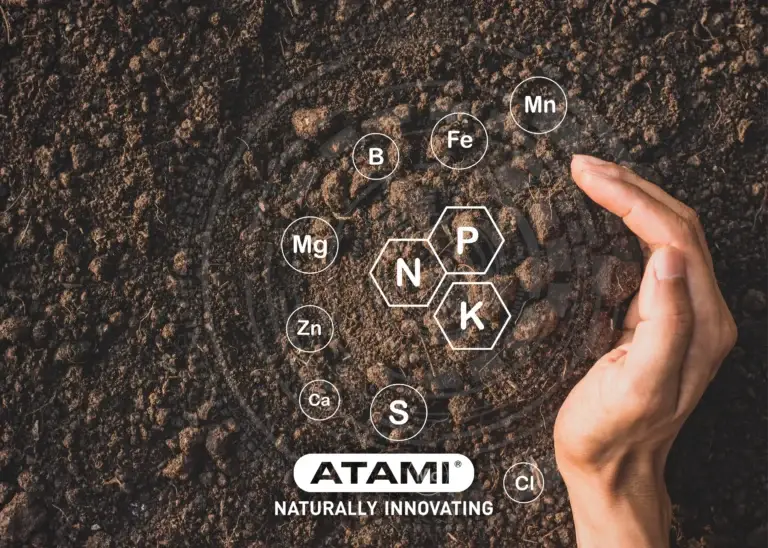
We all know that plants need light, water and carbon dioxide to grow. But beyond these basics, plants need up to 17 essential elements such as nitrogen, potassium, phosphorus… for…
Manganese is a trace element vital for plants to grow strong and healthy. It plays numerous roles in plant metabolism, and scientists are still working to fully understand its diverse…
Iron is an essential micronutrient for plant health and development. Although iron is the fourth most abundant element in the earth’s crust, most of it is in non-bioactive forms. Fe…
Sulphur is an essential nutrient for proper plant growth and development. This macronutrient plays a critical role in various physiological functions and metabolic processes. In this blog post, we’ll discuss…
Magnesium is an essential nutrient for plants, playing a crucial role in their growth and health. Although it makes up about 2% of the Earth’s crust, magnesium is usually found…
Calcium is one of the most common elements on Earth, making up about 4% of the Earth’s crust. Known minerals that contain calcium include calcium carbonate and gypsum. In the…
Potassium is well known in the gardening and agricultural world for its importance not only in growth, but also in flower and fruit formation. Preventing deficiency of this nutrient is…