Drought and plants are incompatible. Especially during hot and dry summers, plants can dry out and eventually die. But even in winter you need to be vigilant and water the plants from time to time. How should I manage watering then? Here are our tips!

When do I water my plants?
Do not rush to water mature, deep-rooted plants. It is easier to kill a plant by over-watering it than if it suffers a little drought. When the top layer of soil is dry, the lower layers are usually still moist, so plants will have access to water. Only during extreme drought, when the deeper soil layers are dry and the plants start to wilt, is it time to water again.
The best times to do this are:
● Early morning, before dawn. The soil absorbs moisture quite easily;
● Late afternoon, after sunset. Plants can absorb water all night long; especially useful in summer, so the irrigation water will not evaporate with the heat.
● Don’t water when the sun is shining, as the water evaporates too quickly.
Please note: newly planted or sown plants need more water than established plants. In this case, the top layer of soil should always be moist, to help these “newcomers”.

How To Best Water My Plants?
Advantages and disadvantages of watering cans, garden hoses, sprinklers or an automatic watering system.
1. Use A Watering Can
A watering can enables you to control the right amount of water, pouring more or less according to the need of each plant. The biggest disadvantage is the physical effort involved in carrying the watering can back and forth.
2. Hose With A Watering Gun
A hose can reach every corner of the garden – the spray gun reduces watering time and helps you aim the water where it’s needed!
An added bonus: Some include filters that retain limescale or sustainable filters that help to save water, avoiding water wastage making them more efficient!
3. Use Watering Sprinklers
Sprinklers are used once or twice a week, for at least 1-2 hours at a time. They work very simply, and are perfect for lawns and/or other large parts of the garden. However, a possible disadvantage is that you cannot take into account the specific needs of some plants. In addition, the leaves of plants remain wet for a prolonged period of time allowing fungus to develop.
4. Use An Automatic Watering System
Another option is to use an automatic watering system, which is installed in the garden and connected to a timer that allows you to program when and for how long to water. This method is really convenient if you don’t have that much time to invest in your garden, or if you tend to neglect the watering.


Extra Nutrition
For a bountiful harvest or exuberant garden, fertilizing your plants should be a must. You can add liquid fertilisers to the water on a regular basis to get the most out of your plants. Don’t forget that during the cold season plants tend to stunt growth, so water less and reduce the amount – or don’t add fertiliser at all.
How Much Water Does My Lawn Need?
Could be quite difficult to see if your lawn is getting enough water. The simplest method to check is to place an empty glass on the lawn beforehand. Start watering. By the time this glass is full of water, the lawn is watered!
It may not seem to be enough, but to avoid killing your plants through overwatering, it is a good measure. If you detect that your plants need more water, simply increase the frequency of watering.
Watering In Summer
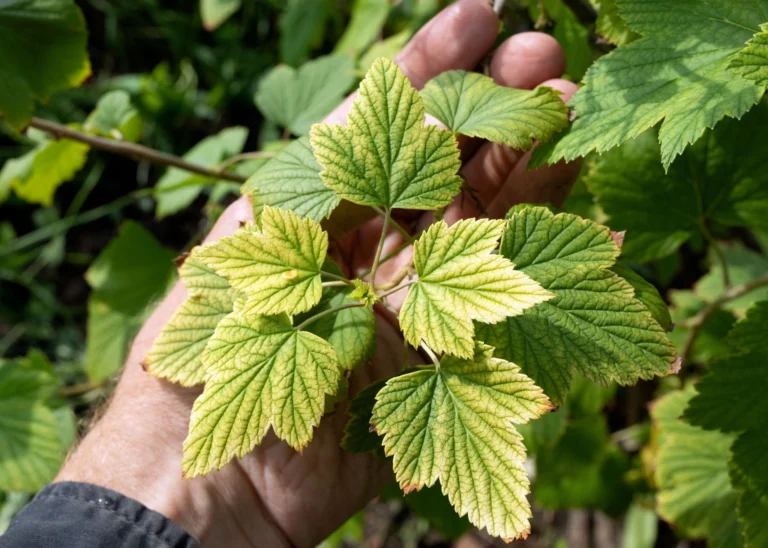
In summer, even if you enjoy the warm weather, your garden may not share your joy as the plants can be thirsty! The first signs that plants need water are noticeable in their leaves, as they will be more listless and may even curl up on themselves.
But if you wait until brown or dry leaves appear, it means that it is already too late for watering. Therefore, as soon as the weather forecasts that hot days are on the way, water your plants abundantly and increase the frequency of watering when needed.

Watering pot plants
Potted plants cannot find water in the soil, so they dry out before. Water them generously, especially in summer. Place the pots in terracotta pots and make sure when watering that the water runs off the pot.
And remember: the smaller the pot is, less water can retain, so you will need to increase the watering as the weather becomes warmer.

Winter Dryness
Deciduous plants rest in winter, but evergreens still evaporate moisture through their leaves. That is why they can dry out in winter, especially during bright, frosty days with lots of sunlight and a cold wind.
Protect these plants in time by covering them with fleece or pine branches and don’t neglect watering. They will need so much less watering, but they still need water!

Soil Composition And Location Matter
Not only climatic conditions are vital when deciding how much water your plants need, their substrate and location in the garden are also important. Generally speaking, a south-facing plant in sandy soil will almost certainly need more water than a north-facing plant in peaty soil.

Peat and especially coco fibre substrates retain moisture very well; if perlite or clay pebbles are added to the mix, the substrate will dry out quickly.
B’Cuzz Silic Boost Prevents Dryness
If after reading this article you are still worried about your plants drying out, or in case you sometimes forget to water your plants, we recommend you start using B’cuzz Silic Boost.
If applied from the start, plants will respond much better to dry weather conditions and other adverse circumstances. The silicon on B’cuzz Silic Boost builds up in the plant and reinforces the cell wall, which strengthens leaves and stems. This improves physical support of the plant and helps to reduce water loss in hot weather. It also has synergies with calcium, magnesium and potassium, improving their absorption and transport in the plant.

Find more information about B’cuzz Silic Boost and our other products on the website and don’t miss the content we upload daily to our social networks!
Frequently Asked Questions About Expert Guide to Watering Your Plants for Healthy Growth
Why is the right watering technique critical for plant health?
Correct watering ensures plants receive enough moisture without root-suffocating soggy conditions. The blog emphasises that both under-watering and over-watering can impair root development and overall growth.
How do substrate type and location affect watering frequency?
The substrate (e.g., peat, sandy soil, coco fibre) and its location (south-facing, sandy soil vs north-facing, peaty soil) greatly influence how fast the medium drains or retains water. For example, sandy soil drains quickly and needs more frequent watering.
When is the best time to water plants and why?
The blog recommends watering especially abundantly ahead of hot periods and increasing frequency when needed. While it doesn’t specify strict hours, it implies watering when plants risk drying out under heat.
What symptoms indicate plants may be receiving too little or too much water?
Signs of under-watering include drying out and wilting; over-watering, on the other hand, can lead to lack of drain-off and related root issues. Regular monitoring and adapting based on plant condition is advised.
How should potted plants be watered differently than in-ground plants?
Potted plants in containers dry out faster since the soil volume is limited. The blog highlights that pots require generous watering—ensuring water runs out the bottom—to fully hydrate the medium in warm conditions.
How do weather and seasonal changes influence watering needs?
During hot and dry spells, plants need more frequent and generous watering. When conditions are cooler or shaded, the watering requirement is lower. The blog advises adapting watering practice to match changing weather.
Why does the blog emphasise the substrate’s water-holding capacity?
Because substrates like peat and coco fibre retain moisture well, whereas those with added perlite or clay pebbles drain quickly. Selecting the right medium and understanding its moisture behaviour helps prevent mistakes in watering.
What advice is given regarding how much water to give during one watering session?
The blog suggests generous watering when needed—especially in pots—so the substrate is thoroughly moistened and water is allowed to exit the pot. This helps promote deeper root hydration rather than light superficial watering.
How can using special products support watering in challenging conditions?
The blog mentions applying a product like a silicon-based booster that helps plants withstand dry weather by reinforcing cell walls and reducing water loss during hot spells.
What is the overall takeaway for watering plants correctly?
Watering is not only about frequency but about matching substrate, weather, container type and watering volume. By adapting your approach—choosing the right medium, watering generously when needed, and responding to environmental cues—you promote healthier, thriving plants.