Timing is Everything.
Harvesting crops at the right time can make all the difference. Whether you’re growing for flavour, shelf life, or maximum yield, picking your fruits and vegetables at their peak ensures the best possible results.
Too early and you lose flavour. Too late and texture, nutrition, or storability may suffer.
This guide focuses on tomatoes, one of the easiest crops to read when it comes to ripeness, but the principles apply to many others in your garden too. From courgettes to peppers, learning how to read the signs will help you improve every crop harvesting experience.
So, if you’ve ever wondered when exactly to harvest a crop or how to time your fall harvest crops just right, don’t skip this article.
The Science Behind Ripeness
You have landed on this blog wondering when the ideal time is to harvest your garden crops.
To answer that, you first need to understand what ripeness really means.
There are two main kinds of maturity:
- Physiological maturity: when the fruit or vegetable has finished developing and can continue to ripen off the plant.
- Market (or harvest) maturity: when the crop looks, tastes, and stores best, ideal for consumption or sale.
Most home gardens are all about finding that sweet spot where the veg is ready to harvest when it’s biologically mature, firm and full of flavour, but still good enough to last a few more days in the fridge or pantry.
Key signs of ripeness in many crops include:
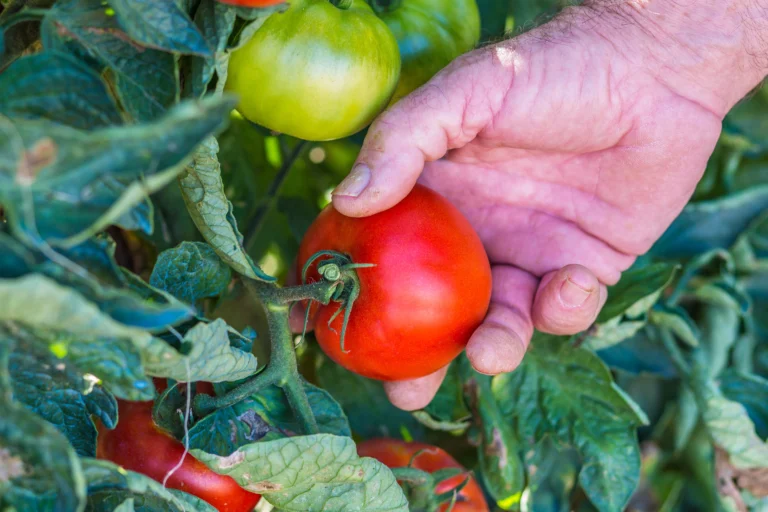
- Colour: Tomatoes, for example, go from green to red, orange, yellow, or even deep purple, depending on the variety. This colour change signals the fruit has developed enough sugars and flavours.
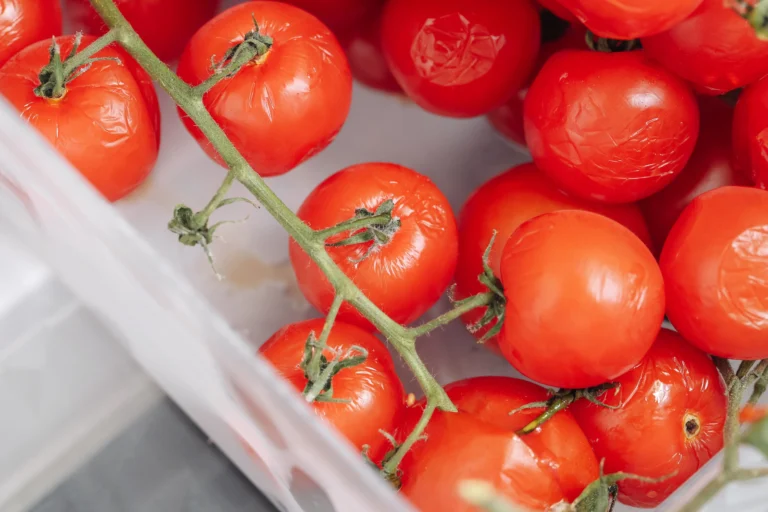
- Firmness: A ripe tomato should be firm but yield slightly under pressure. Overripe fruit tends to be too soft and watery, looking like the ones below:
- Aroma: Ripe tomatoes have that distinctive, sweet tomato scent, a great natural indicator for trained noses.
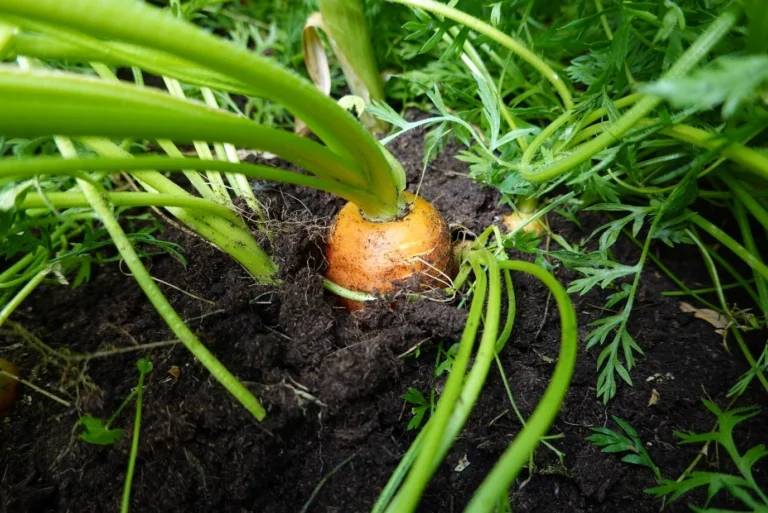
- Size: Each crop has its typical size at harvest. Courgettes, for instance, are best picked small and tender; carrots should show a portion of their “shoulder” above the soil.
What about other vegetables?
- Peppers may be harvested green (immature) or allowed to ripen to red, orange, or yellow for more sweetness.
- Cucumbers are best picked before they start to yellow or get too seedy.
- Courgettes offer better texture and flavour when harvested at around 10–15 cm long.
- Green leafy vegetables (such as spinach, lettuce, arugula, chard, green mustard or tatsoi) should be harvested before bolting (i.e., when they begin to flower), as they start to develop a bitter taste. Below is a photo of a flowering endive.

Understanding the science behind ripeness allows you to plan your harvesting of crops more confidently and to avoid under- or over-mature produce.
The goal? To harvest a crop at its optimum moment for peak flavour, better nutrition and better shelf life.
When to Harvest Tomatoes – Types and Signs
Not all tomatoes ripen at the same pace or look the same when they do.
Here’s how to time the harvest of the three most common types:
- Cherry tomatoes: These small fruits ripen quickly. Pick when they’re bright in colour (red, yellow, or orange, depending on variety), slightly soft to the touch, but still firm enough to hold their shape.
- Beefsteak tomatoes: These larger varieties take longer. Wait until full colour has developed, with no green shoulders, and the fruit gives slightly when pressed. If left too long, they can split or lose firmness.
- Plum (or Roma) tomatoes: Known for sauces, they should be fully coloured and just beginning to soften. Harvesting at peak firmness helps preserve their rich texture and flavour.
Avoid over- or under-harvesting:
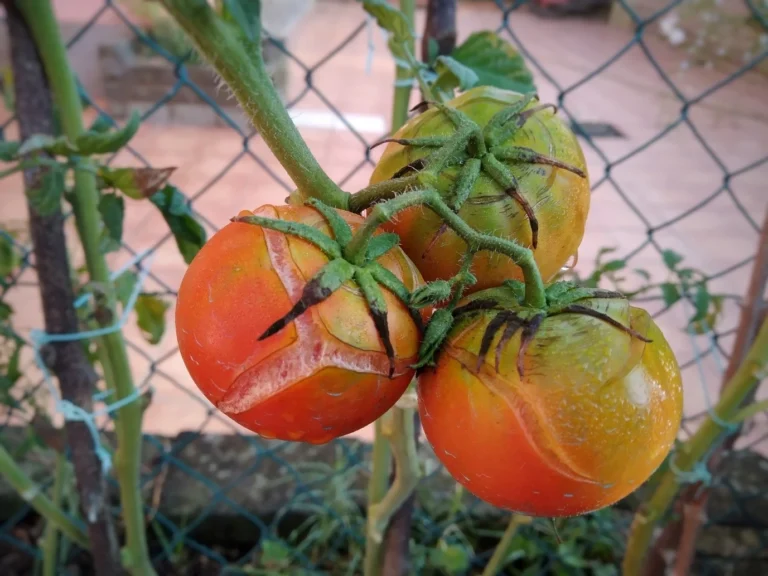
If picked too early, tomatoes won’t develop their full sweetness and aroma. If it’s picked too late, they may go mushy or crack, especially after heavy rain.
Harvesting Other Crops: Peppers, strawberries, carrots, greens…
Tomatoes may be the star of the patch, but they’re not the only ones to watch! Here’s how to time your harvest for some other classic veg:
- Peppers: You can harvest them green for a crisper, slightly bitter taste or leave them to ripen on the plant for sweeter, red or yellow fruits. The longer they stay, the richer the flavour.
- Strawberries: Harvest when fully red, with no white or green patches, and when the fruit easily detaches from the stem. Ripe strawberries have a rich aroma and are best picked in the morning when they’re cool and firm. Wait too long, and they may soften, bruise easily, or attract pests.
- Courgettes: Best picked when small and tender (about 10–15 cm long). Larger ones can get watery or seedy, especially in hot weather.
- Leafy greens: For “cut-and-come-again” types like spinach or rocket, harvest outer leaves young and often. For full heads (like lettuce), pick before the plant bolts (flowers).
- Root crops: Carrots, radishes, and beets should be checked regularly. A good rule of thumb is to gently brush away soil and check the size of the “shoulder” (the top of the root). Harvest when they’re the right size for the variety — small and sweet, or large and earthy.
Tips and Tools for Better Harvesting
And like many other things, a great harvest isn’t just about when, it’s also about how it is picked. Here are some practical tips to help you get the most from your hard work:
- Harvest in the morning: Cooler temperatures help preserve flavour and firmness, especially for soft fruits and leafy crops.
- Use clean, sharp tools: Prevent bruising and reduce the risk of spreading disease. Always sanitise your blades between crops.
- Be gentle with your produce: Use shallow containers to avoid squashing delicate crops like ripe tomatoes or strawberries.
- Don’t overpack: Allow airflow around freshly harvested produce and avoid piling it too high, especially in humid conditions.
- Compost leftovers: Old leaves or damaged fruits can go straight into your compost, enriching your soil for the next season.
Atami Tip: Boost Ripening from the Inside
Want to push your crops to peak ripeness, aroma and flavour before harvest? Atami’s Rokzbastic and Flavor are designed to do just that:
Rokzbastic is a high-potency rippening product that enhances late-stage ripening, flower density and crop development thanks to its high potassium concentration. It helps fruits and flowers reach their full potential during the ripening phase.


Flavor supports the plant’s natural production of sugars and aromatic compounds, intensifying taste and scent. A perfect choice perfect for if you, like us, value quality as much as quantity!
Add them to your feeding schedule during the final weeks, and your crops will thank you with better taste, weight and overall harvest value.
A plenty harvest with ripe, aromatic results? That’s the Atami way.
To Sum Up Everything Just Remember…
Pick at the peak and enjoy the rewards!
Harvesting is more than just a calendar task; it’s to learn and get to know very well your plants. Recognise the subtle cues of colour, texture and scent are what turns a good harvest into a great one. When timed right, you get richer flavour, better nutrition and less waste.
Products like Rokzbastic and Flavor can help your crops cross the finish line with strength, enhanced aroma, sweetness and overall, better quality.
So, observe daily. Feel the firmness. Smell the scent. Trust your touch and your cultivator gut.
The harvest will reward your patience and when you pick your crops at just the right moment, you’ll feel that you’re not just collecting fruit. You’re practising the art of cultivation.
Because growing is a science but harvesting… that’s pure craftsmanship!