As an indoor grower, you will either start each indoor project using either cannabis seedlings or clones. Mother plants are another alternative that allows a grower to keep a specific gene alive and preserved, with the intention of taking clones for the next harvest.
If you like the sounds of a mother plant, then this article is perfect for you. I will explain all you need to know about cannabis mother plants, covering environmental conditions, pot size, growing medium, nutrients, pest management, plant training and common mistakes to avoid.
Can Any Plant Become a Mother Plant?
Technically, yes, on the basis that the plant in question is healthy and free of any pathogens. It does not matter if you are using a seedling, clone or re-vegging a harvested cannabis plant; any plant can become a robust other plant. Unfortunately, cloning autoflowers is not possible because the plants will start flowering automatically after 28 days.
- You can only use photoperiod cannabis plants as mothers
- Autos will begin to flower and will be a waste of time
- Mother plants should be healthy, robust and pathogen-free
- Re-vegging a harvested plant under 18/6 is one way to regenerate a mother plant
The Best Climate for a Cannabis Mother Plant
- Mother plants should be kept in a vegetative state under 18-20 hours of light per day
- The temperature should be between 20 and 24 degrees
- Humidity levels should range between 65 – 75%
- Grow tents or small converted grow spaces are ideal for housing a mother plant
- Plenty of air flow around the mother plant is recommended
Mother Plant Light Requirements
Mother plants need to remain vegetative, so an 18:6 light-to-dark cycle is recommended. Cannabis mother plants will focus all of their energy on producing fan leaves, side branches, axillary shoots and root development. At no point is the plant allowed to enter flowering mode, which keeps healthy mother plants alive for decades under the right conditions.
Choosing the Right Grow Light for a Mother Plant
How much light you provide the mother plant will be determined by various factors. High-powered LED or HID grow lights, such as metal halide (MH) or high-pressure sodium (HPS), will be fine if your goal is to develop a bushy, large plant capable of producing 50-100 cuttings every 8-10 weeks.
For growers who are more concerned with preservation and holding onto specific genetics, using a compact fluorescent (CFL) or a low-powered LED will be optimal.
Choosing the Right Container for a Mother Pot Plant
The bigger the pot you use, the larger and more productive your mother plant will be. I have kept mother plants alive in 5 litre pots before, when only needing 6-9 clones in between harvests, then again have had monster mother plants in a 50L fabric pot that allowed me to take 100 clones every 10 weeks.
- The pot should have good-quality drainage
- Fabric pots work great as they allow the roots to prune and air out
- Pots between 5-10 litres are ideal for 60-75cm mother plants
- Pots between 20 – 50 litres are suitable for 100-150 cm-sized mother plants
Best Growing Medium and Nutrients for Long-Term Plant Health
There is a wide range of growing mediums you can use to keep a mother plant alive for an extended period. You do not want to have to constantly feed your mother plant. Instead, it is better to have nutrients that are released slowly over time, such as soil or super soil.
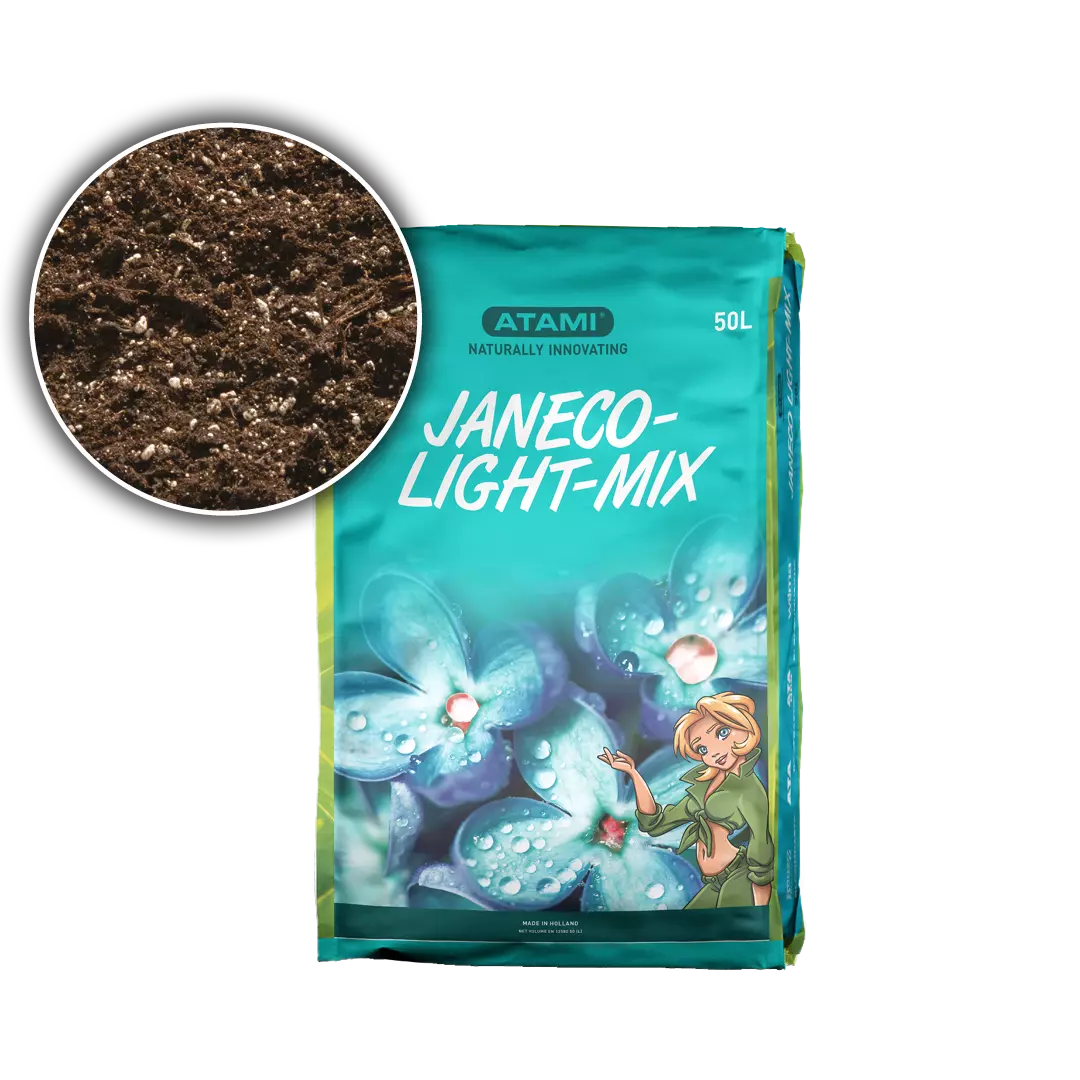
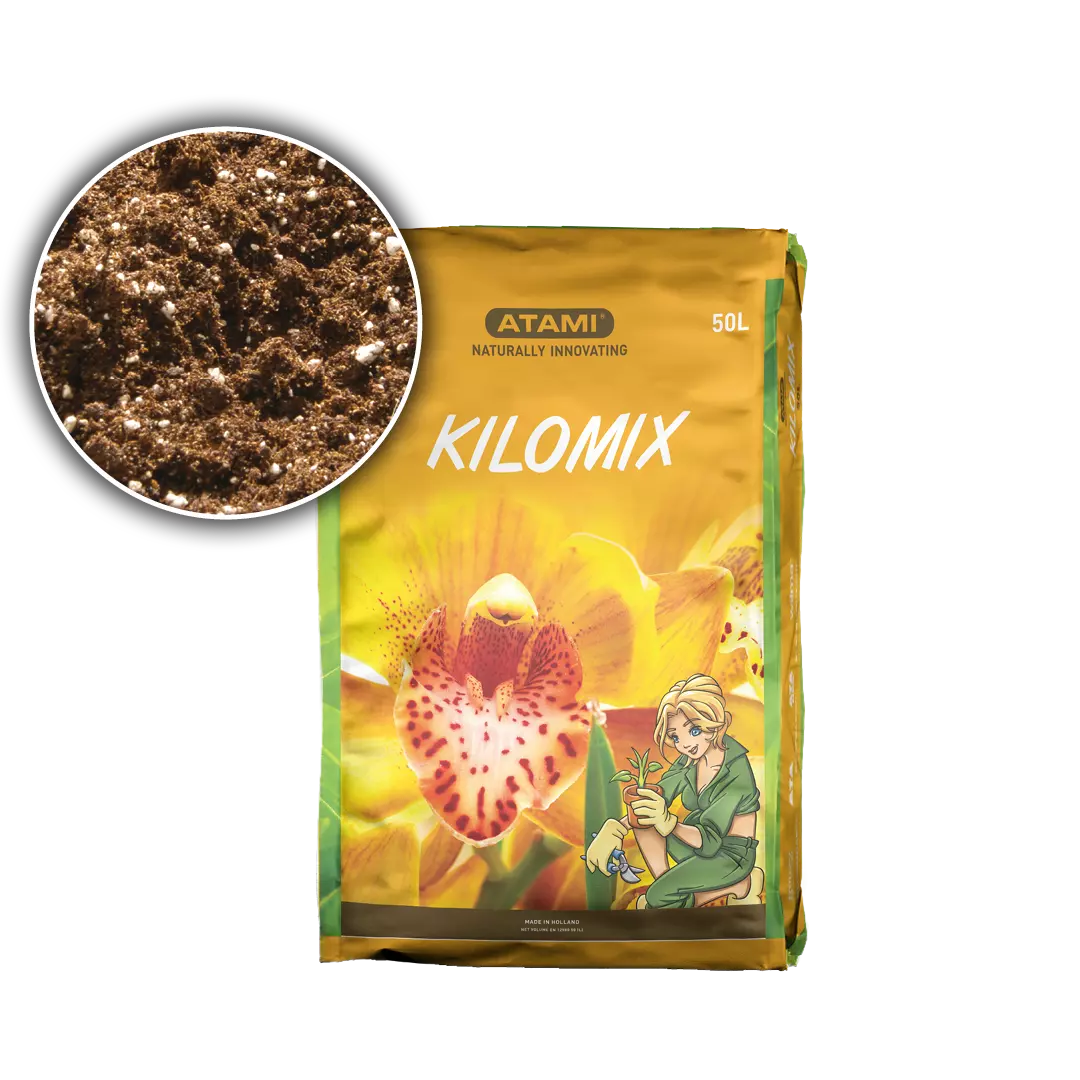
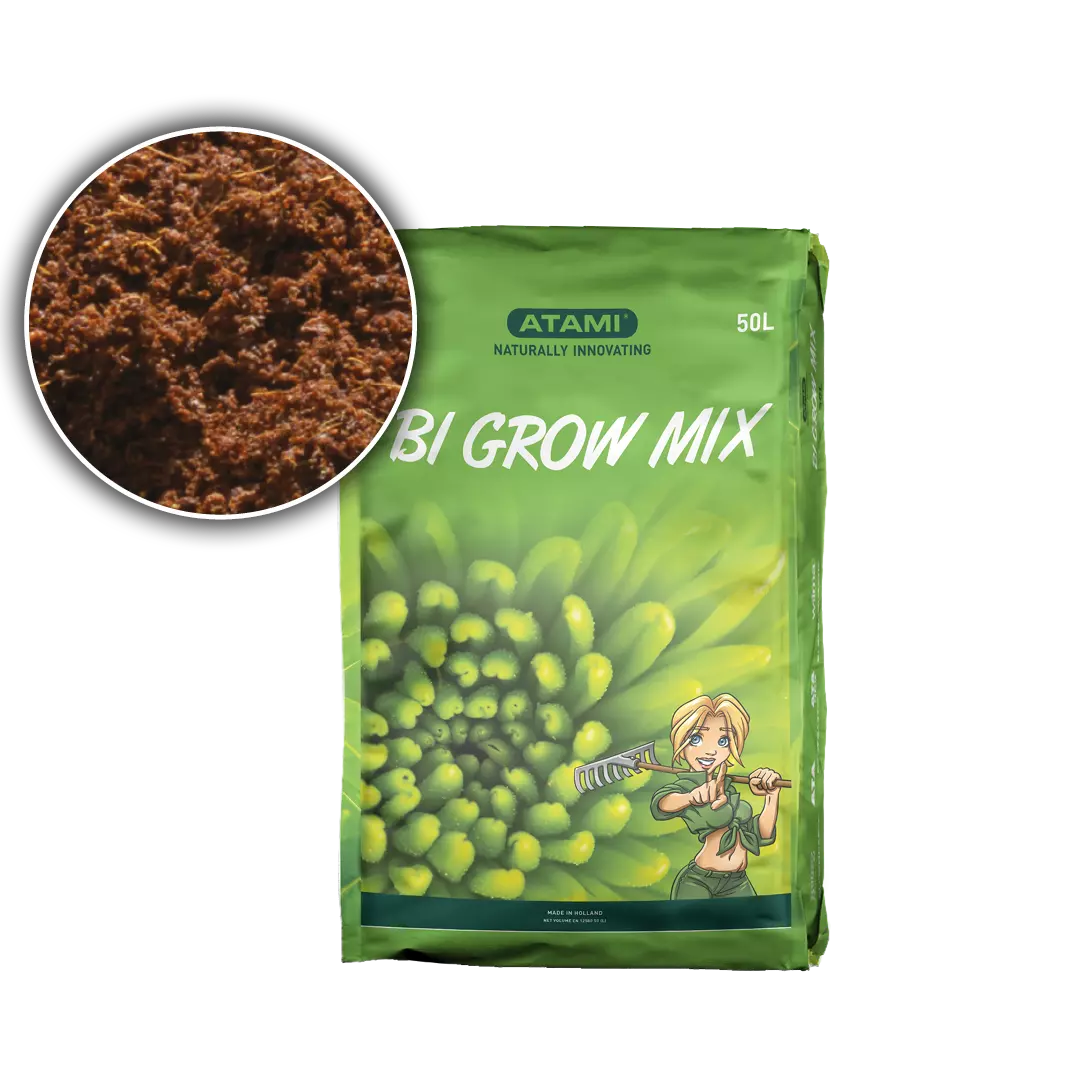
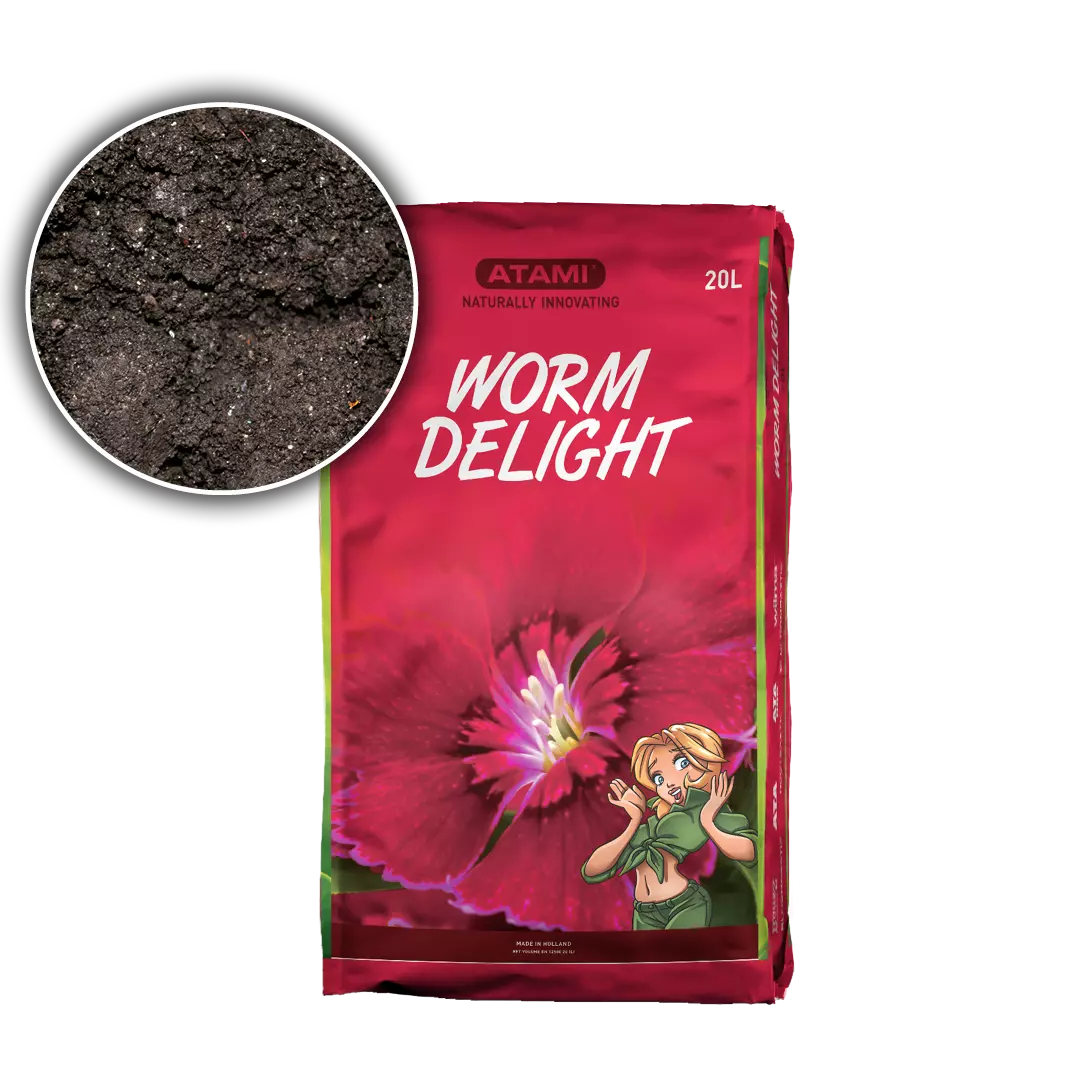
In this case, soil would be the recommended choice because you only need to add water. Below is a list of the Atami soil products that would be an ideal choice for maintaining a healthy and robust mother plant
Mother Plant Fertiliser: What Nutrients Are Essential?
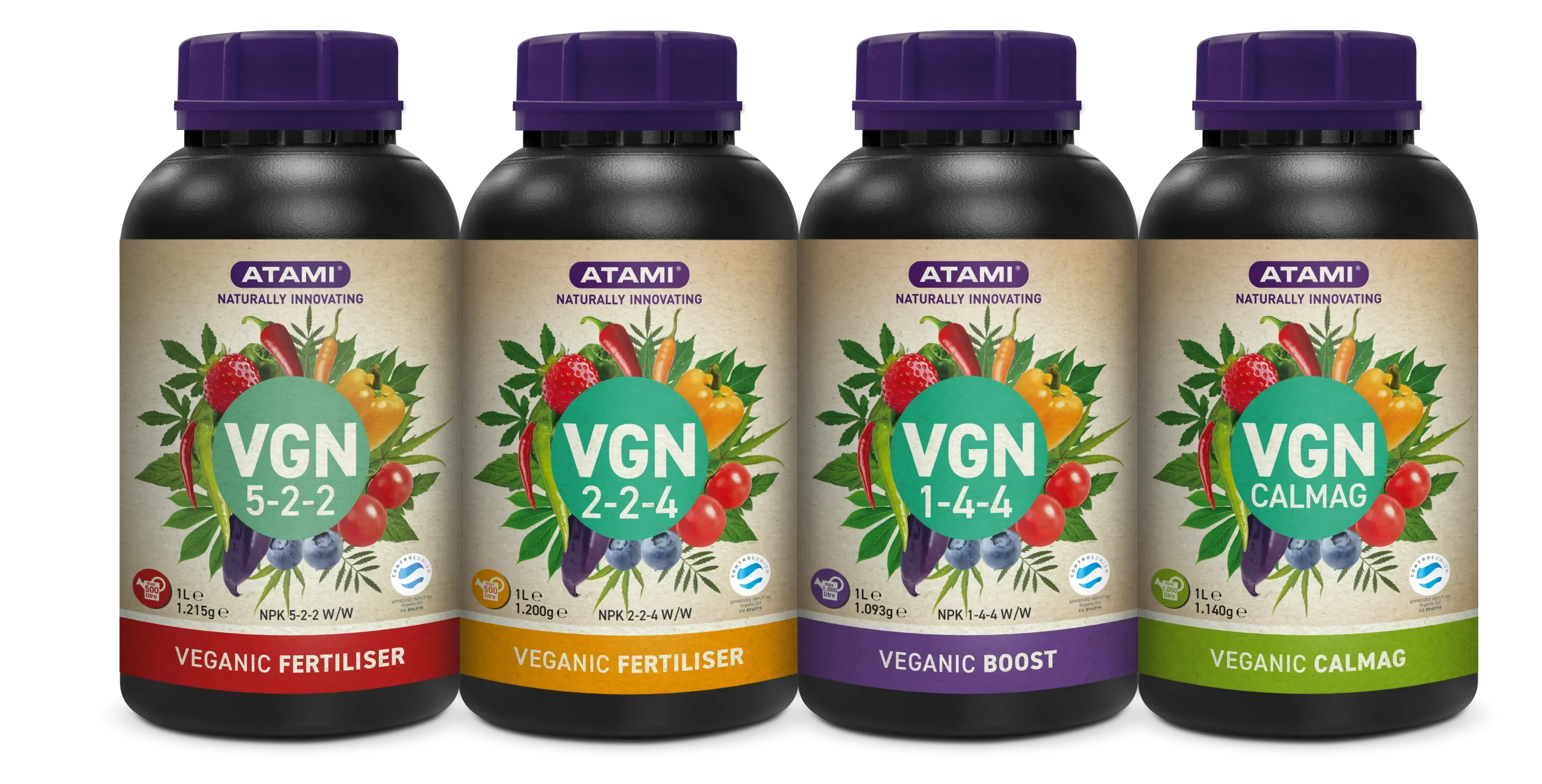
Below is a list of the best growing media and nutrients to use when keeping a mother plant alive.
Soil substrates
Nutrition
Training and Maintenance
How you maintain and train your mother plants will play a significant role in their shape, structure, and their ability to produce new cuttings. Not only will training help maintain a bushy, robust plant, but it will also allow you to control the height. Below is a short list of cannabis plant training techniques that can be used on mother plants.
Topping
The topping method involves removing the growth shoot from the top node, leaving the smaller axillary shoots. Topping encourages mother plants to become bushier and have a wider, stockier growth structure. This technique should be performed with a sharp scalpel or a small pair of scissors to ensure a clean cut.
Fimming
The fimming technique is an excellent way to focus growth energy on the growth and foliage beneath the top node. Fimming also helps keep the plant’s height lower than usual by removing 75% of the primary crown growth shoot. After 5-7 days, the top node recovers and resumes vertical growth.
LST
LST refers to the low-stress technique of tying down the top node of your plant or its side branches. By doing so, the plant’s structure changes completely, taking on a laterally dominant shape. LST encourages a far greater number of new growth shoots and significantly increases the amount of light spread amongst the canopy.
Mother Plant Pest and Disease Prevention
- Predatory insects are the best solution for thrips, aphids and spider mites
- Mycorrhizal inoculants and bacteria can help restore root health and resistance
- Neem oil is also an excellent organic deterrent to protect against pests and larvae
- Insectacidal soaps are a safe and effective way to get rid of insects and eggs
- Diatomaceous earth in powder form attacks the shells and exoskeletons of insects
7 Common Mistakes To Avoid When Caring for Mother Plants
Keeping a mother plant alive for years is easier said than done in many cases. There could be a series of things that go wrong, as highlighted in this list of 7 of the most common mistakes to avoid.
Poor Lighting
Your mother plant should have access to a good cover of light spread and PAR. Plants that suffer from low lighting will grow slowly, stretch and produce weak cuttings.
Nutrient Issues
When a mother plant is malnourished, it will not grow as healthy and as fast as you want. Provide your plants with a slow-release organic nutrient, and combine it with the Atami VGN line for the best results.
Over Watering
Overwatered mother plants will wilt and can promote harmful bacteria and lower oxygen levels around the roots. Avoid overwatering by only saturating the growing medium when the substrate feels dry, and the pot is light enough to easily pick up off the ground.
Underwatering
A lack of water for the roots slows growth, causing the leaves to become thin and brittle. Feed your plants with the same amount of water or nutrients when the medium is closer to dry.
Insect Problems
Insects such as thrips, aphids, and spider mites can cause significant leaf damage and attack roots. Use predatory mites to balance their numbers and keep insect populations in check.
Root Issues
Allowing the roots to become infected with harmful bacteria can massively affect plant health. Check your mother plant’s roots frequently and be prepared to inoculate them with beneficial bacteria and fungi.
Low Humidity
Mother plants in a vegetative state prefer a warm, humid environment to thrive. Do not let the humidity drop below 60%; a humidifier is necessary.
FAQ’s about Cannabis Mother Plants
Below is a list of the most frequently asked questions regarding cannabis mother plants.
Can Any Plant Become a Mother Plant?
Yes, as long as the plant is healthy and has a well-established root system.
How Long Can You Keep Mother Plants?
Under the right conditions, healthy mother plants can live for decades.
When Is It Time to Replace a Mother Plant?
New mother plants should be established after the 35th generation of clones has been taken.
When Should I Take Cuttings off a Mother Plant?
New cuttings will be ready to take every 6-8 weeks, depending on the environment.
What Is The Best Pot Size for a Mother Plant?
Small mother plants can be kept in 7.5-10 litre pots, and large ones in 20 litre or larger pots.