2025 is shaping up to be a challenging year for substrate raw materials.


Unusually heavy rainfall across key peat-producing regions has resulted in one of the lowest peat harvests in decades. At the same time, coco coir supply is also under pressure due to irregular weather patterns in tropical zones. These twin shortages are set to have a direct impact on the substrate industry and end users, retailers, and distributors need to prepare for rising prices.
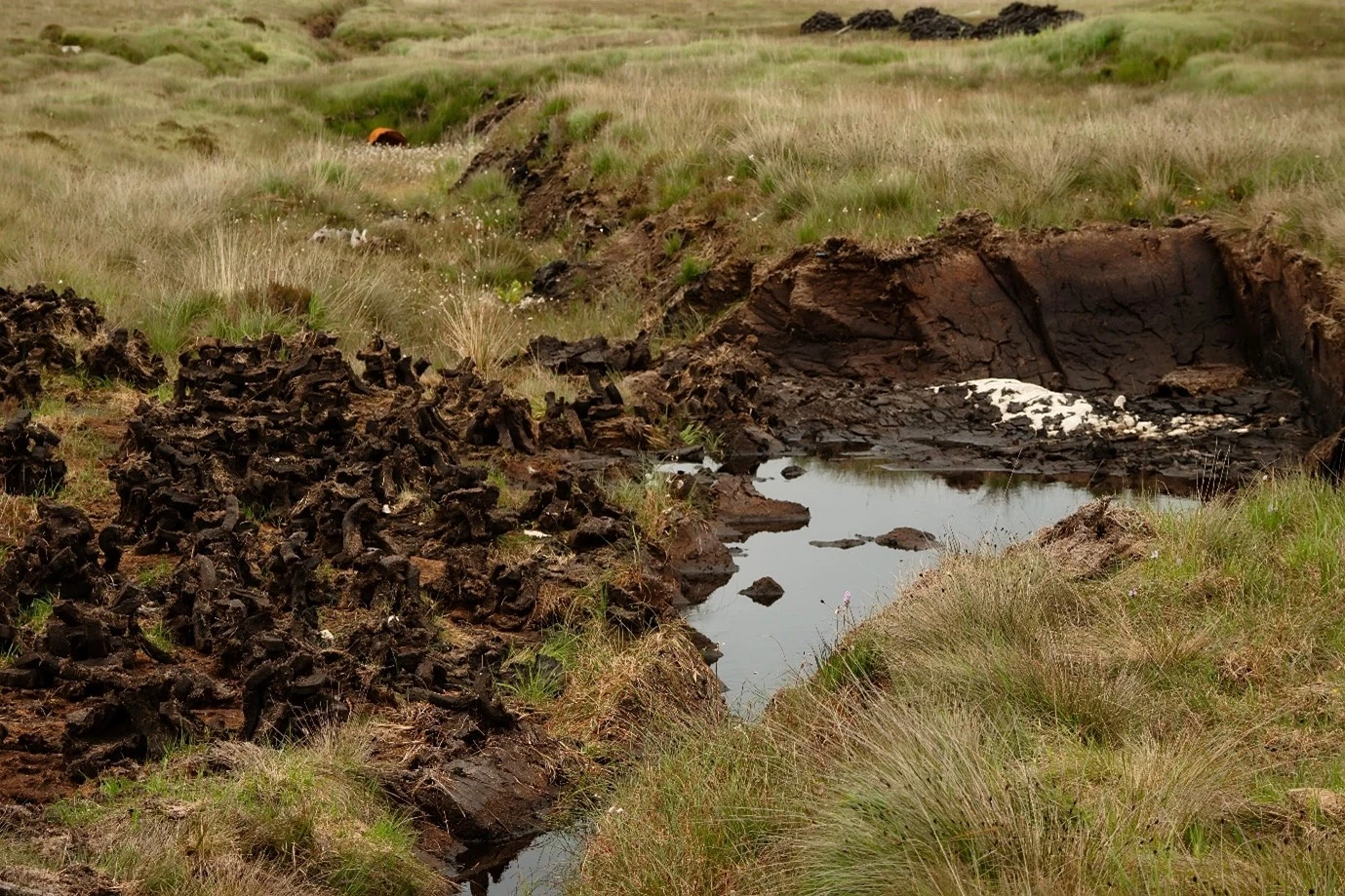
Harvest site of peat and coco coir substrate ingredients, showing natural soil conditions and raw material origins.

Peat Harvest Severely Limited

This year’s peat harvest 2025 reached only 15–25% of planned volumes, with white peat (sphagnum) especially affected. Production levels have dropped to 25–35% of normal, creating a significant raw material shortage in the substrate market.

Coco Coir Also Under Strain

Coco coir, the second most used substrate component globally, is also facing supply disruptions. Rainfall irregularities in producing countries have led to lower yields and logistical delays, further tightening the market and adding to the pressure on substrate raw materials.
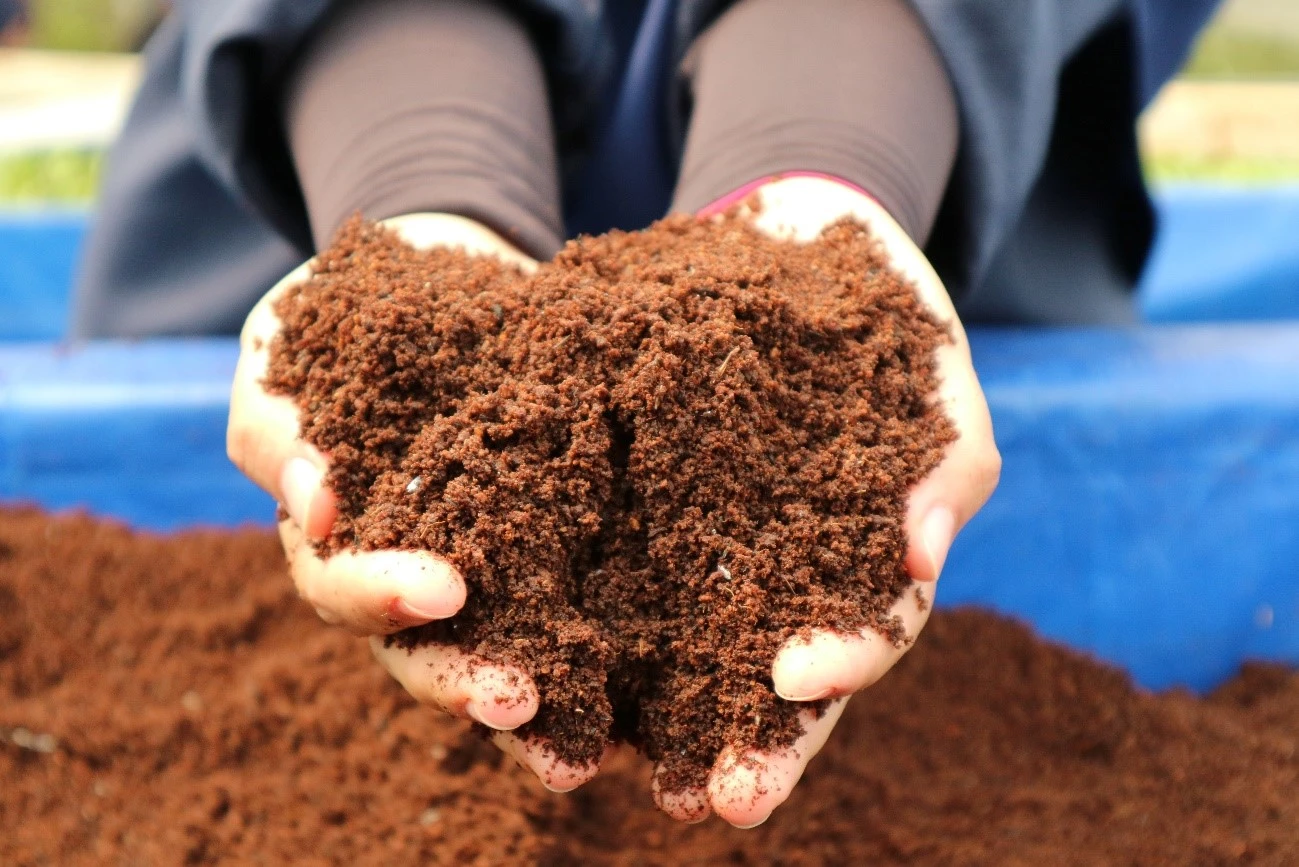
Hands holding peat and coco coir substrate mix, highlighting texture and quality of raw horticultural materials.

What This Means for the Substrate Business

Raw material shortages will lead to longer lead times and limited availability.


Peat and coir price increases are expected, as suppliers adjust to higher costs and reduced volumes.


Planning ahead is essential. Businesses that rely on peat or coir-based mixes should engage early with suppliers to secure stock and manage pricing expectations.

Why Prices Will Go Up

The substrate industry is built on seasonal cycles and predictable harvests. When those cycles are disrupted, as they are now, the entire supply chain feels the impact. With both peat and coco coir in short supply, costs will inevitably rise. These increases will affect the entire substrate market, from producers to distributors, retailers, and eventually, customers, Who may notice price adjustments in the products they use.

Key Takeaway

This is not a temporary fluctuation. The current situation reflects broader structural challenges in substrate raw material sourcing. Expect continued pressure on availability and pricing throughout the season. If you’re in the substrate business, whether as a grower, distributor, or retailer, now is the time to act. Stay in close contact with your suppliers, monitor stock levels, and be ready for a market where limited supply may lead to price adjustments.

Share it:

Picture of Blog by Estela

Blog by Estela

Estela GarcĂ­a is a Copywriter, Biologist specialized in Botany, and a plant enthusiast who has turned her home into a full-blown jungle. With over four years of experience writing for Atami, she creates blog content and other materials on plant nutrition, cultivation, and applied science.

Read more from Estela
Picture of Blog by Estela

Blog by Estela

Estela GarcĂ­a is a Copywriter, Biologist specialized in Botany, and a plant enthusiast who has turned her home into a full-blown jungle. With over four years of experience writing for Atami, she creates blog content and other materials on plant nutrition, cultivation, and applied science.

Read more from Estela

Categories

Latest posts

Cannabis plants flowering under purple LED grow lights, illustrating optimal indoor lighting conditions for winter cannabis cultivation.

The Importance of Lighting for Indoor Growing Cannabis in Winter

It is that time of year when the days are shorter, the temperature is coldest, and most growers spend more time in their indoor grow rooms. If you are a…

Indoor cannabis plants growing in a reflective grow tent with LED lighting, illustrating beginner-friendly weed cultivation setup.

Growing Marijuana Indoors for Beginners: What Do I Need to Get Started?

If you have decided you want to cultivate your own weed at home, then congratulations. Everybody starts off as a beginner on their journey to becoming an expert and cannabis…

Woman carrying a pumpkin outside a greenhouse in autumn, seasonal organic gardening and fall cultivation tips.

Essential tips and organic solutions for growing in autumn

Autumn is not the end of the vegetable garden, even though it may seem so at first glance. With shorter days, the first rains and the cold knocking at the…

Read more blogs

A woman harvesting her cabbage crop with surrounding cover crops that protect and improve soil quality.

Plants That Work for You: Cover Crops and Their Benefits in Your Garden

Cover crops are a powerful way to improve your garden’s health and productivity by protecting and enriching the soil. These types of crops are, as the name says, a way…

Terpinolene: The Trending Terpene, What Is It and What Effects Does It Have?

Terpenes are found in all fruits, vegetables, herbs and trees and are responsible for all of the different smells and aromas we experience. Did you know that there is a…

Why You Should Grow Your Own Garden Herbs at Home

Growing your own garden herbs from the comfort of your own garden is environmentally friendly, inexpensive, easy to do and something that children can also get involved with! In this…

Now available

Rokzbastic

Finishing Bloom Additve

Silicbastic

Direct plant available Silicon Additive