Veganic bloom nutrients for cannabis are a new way to feed your crop during the flowering stage, with a 100% plant-made product that enriches soil microbiology, nutrient uptake and availability, and takes the taste, aroma, and resin production through the roof!
Bloom-stage cannabis feeding will determine how well your plants develop those big, juicy, frosted buds we all love growing. This article will explain veganic bloom nutrients for cannabis, whether veganic is the best flowering nutrient for cannabis, PK nutrient considerations for optimal bud development, veganic cannabis bloom nutrients, veganic feeding schedules, and comparing organic and veganic flowering nutrients.
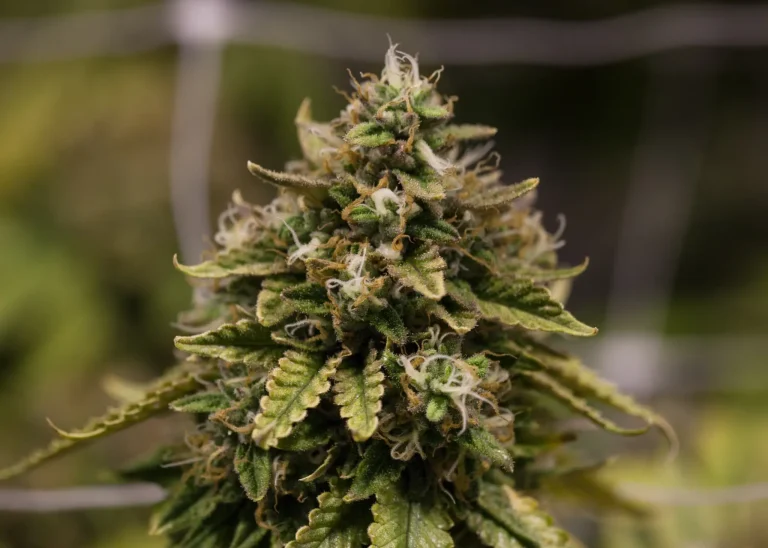
What Are Veganic Bloom Nutrients for Cannabis?
Nutrients are extremely important during the flowering stage, and ensuring the plants have a well-balanced diet is key. Below, we explain the role of nutrients during flowering, how veganic nutrients support bud development, and the benefits of plant-based veganic cannabis bloom nutrients.
The Role of Nutrients During the Flowering Stage
- Nutrients allow plants to transition from vegetation to bloom
- Phosphorus and potassium are required for bud development
- Cannabis plants require a well-balanced diet during the flowering period
- Nutrients significantly affect bract structure and yield
- Nutrients create terpene, cannabinoid and resin production
How Atami VGN Bloom Nutrients Support Bud Development
- VGN provides a high proportion of directly plant- available nutrients.
- This allows plants to access essential elements efficiently
- VGN creates harmony with soil biology and promotes a symbiotic relationship.
- The system is designed to support balanced nutrition throughout the flowering period.
Benefits of VGN Plant-Based Feeding During Flowering
When using veganic bloom nutrients during bloom, you will find that plants can absorb and utilize nutrients much more easily. This eliminates the risk of overfertilizing or causing nutrient burn.
- Plants can develop extremely resinous and chunky buds
- Veganic bloom nutrients enhance the terpene profile.
- There is a greater amount of resin on the buds and leaves
VGN acts as a soil conditioner, allowing recycling after harvest
Understanding Flowering Nutrients Cannabis Plants Need Most
The more familiar you are with understanding the PK nutrients for cannabis plants, the better. When giving your plant flowering nutrients during 12/12, it is important to provide it with a blend of micro- and macronutrients. Below, we explain the key roles of both types of nutrients and how they are essential to the bloom-stage cannabis feeding schedule.
Key Macronutrients Required During Bloom
Your cannabis plants will use different amounts of micro- and macro-nutrients from seed to harvest. Below are the key macronutrients required during bloom:
Primary macronutrients
- Nitrogen (N)
- Phosphorus (P)
- Potassium (K)
Secondary Macronutrients
- Calcium (Ca)
- Magnesium (Mg)
- Sulfur (S)
The Importance of Micronutrients for Flower Production
Micronutrients, also known as trace elements, are required as part of a well-balanced feeding regime with macronutrients. Below is a list of all the trace elements you need to incorporate into a proper feeding plan during the flowering stage.
- Sulfur
- Manganese
- Boron
- Zinc
- iron,
- Molybdenum
- Chlorine
- Copper
How Nutrient Demands Change Throughout Flowering
Once you set your grow timers to 12 hours of light and 12 hours of dark, a cannabis plant’s nutritional needs begin to shift. At the start of the flowering period, you will need to transition and feed your plants.
- Phosphorus and potassium need to be increased
- Nitrogen levels can be reduced
- Cannabis plants need a full spectrum of micro and macro nutrients
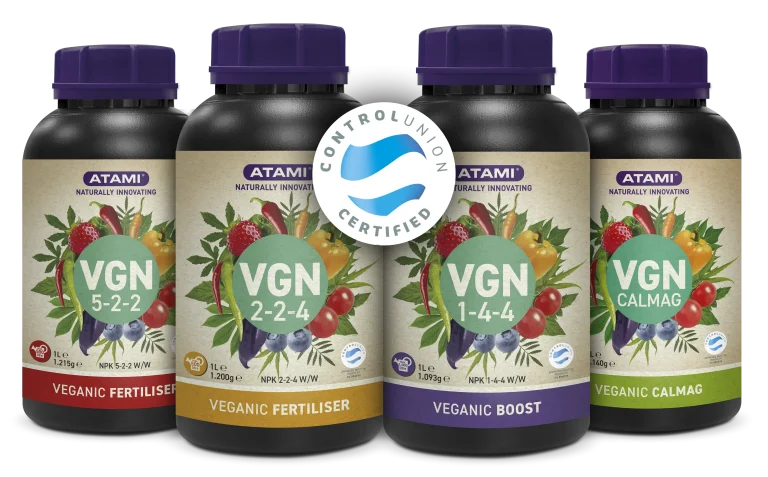
We all love to grow big and abundant yields that make growing such a fun and exciting hobby! Achieving maximum yield allows us to use our grow space as efficiently as possible and make the return on investment for electricity bills and expenditure well worth it. Below breaks down what to look for in a top-quality flowering nutrient for cannabis and the benefits of using the VGN line during bloom.
Is VGN Easy to Use?
VGN is a complete 4-bottle, plant-based nutrient system developed for growers who want clean, professional results without animal-derived inputs. ideal for growers seeking a simple, structured feeding program that aligns with veganic principles while delivering reliable, balanced results.
The Benefits of Using Atami VGN Veganic Bloom Nutrients
- VGN is made exclusively from residual plant matter and contains no animal-derived inputs
- Many competing “organic” fertilisers still rely on animal by-products or blended organic sources.
- Plant-based, veganic system aligned with ethical and sustainability-focused principles
- Many organic fertilisers depend primarily on slow mineralisation processes
- VGN provides nutrients in directly plant-available forms.
- Faster nutrient uptake and a quicker response when correcting imbalances or deficiencies
- VGN uses environmentally friendly biodegradable chelating agents (IDHA)
- Supports nutrient efficiency without leaving harmful residues
- VGN includes a nitrogen-free CalMag
- Plants are supplied with calcium and magnesium, but not with additional nitrogen.
- CalMag products include nitrogen, which can be undesirable during the flowering stage
- VGN provides greater control during sensitive phases.
How PK Nutrients Cannabis Plants Need Influence Flower Production
If you are new to growing cannabis, then you will come across the term ‘NPK ‘, which refers to the three primary nutrients a cannabis plant requires during its lifecycle. Phosphorus and Potassium are key components of the cannabis feeding schedule during the bloom stage.
Below explains why phosphorus is essential for bud development, the role of potassium for flower density and plant health and how to avoid overfertilizing your crops.
Why Phosphorus Is Essential for Bud Development
- Cannabis plants require phosphorus for energy transfer (ATP production)
- Phosphorus is responsible for cell division during the flowering period
- Flowers and buds require phosphorus to develop
- Trichome production is significantly affected by phosphorus
- Phosphorus aids in environmental stress resistance
The Role of Potassium in Flower Density and Plant Health
- Potassium synthesises carbohydrates, affecting bud density and weight
- Cannabis plants require potassium to regulate water and transpiration levels
- Potassium is needed to produce strong cell walls, stems, and side branches
- Potassium activates enzymes needed for energy production
Avoiding Common PK Nutrient Deficiencies and Excesses
Your plants will tell you all you need to know about their health and nutritional health. The more familiar you become with your plants, the easier it is to identify a phosphorus or potassium deficiency by the appearance of the cannabis leaves.
The easiest way to avoid under- or overfeeding your cannabis plants with veganic bloom nutrients is to follow the feeding chart. These measurements have been carefully calculated to ensure you provide optimal nutrient levels for your plants during bloom.
Bloom Stage Cannabis Feeding Strategies for Bigger, Healthier Buds
Veganic bloom nutrients for cannabis provide the soil with a humic-rich liquid drench that conditions and supercharges the soil microbiology present. They make feeding simple, easy, and ideal for a first-time or beginner-level grower.
Below are explanations of when to transition from vegetative to flowering feed, a week-by-week feeding guide, and signs your plants may need nutrient adjustments, including signs of nutrient deficiencies.
When to Transition From Vegetative to Bloom Nutrients
- When your plants enter the transition stage from 18/6 to 12/12
- Follow the VGN feeding chart for a smooth transition
Week-by-Week Feeding Recommendations During Flowering
- Do not combine other nutrient brand flowering feeds
- Follow the VGN feeding chart and do not exceed the ml/L ratio
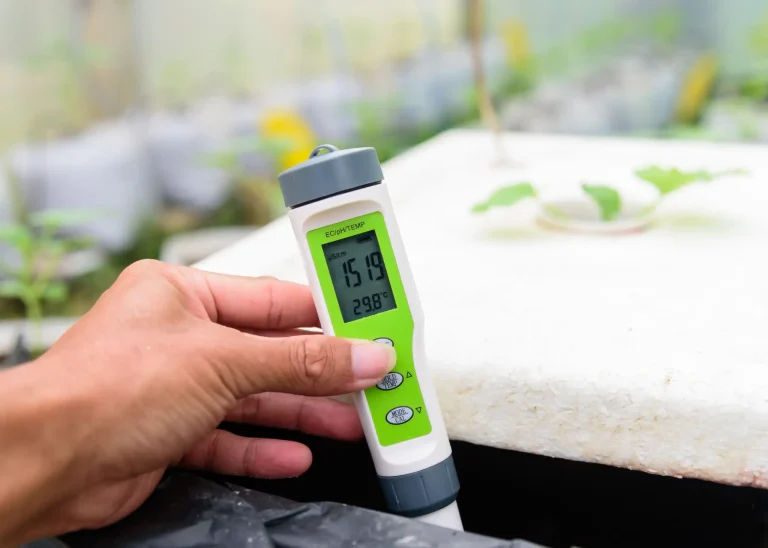
- Check your pH levels of the nutrient solution are 6.0 – 7.0
- Flush your plants with only plain water for the final two weeks
Cutting off the Veganic Bloom Nutrients During Flushin
Flowering nutrients for cannabis plants can be totally cut off for the final 14 days of the flowering period. Flushing means using the same volume of water as usual; however, it will not use any flowering nutrients.
Flushing encourages plants to use up their internal nutritional reserves, wash the growing medium of any accumulated and undissolved salts, and produce a cleaner, smoother, and tastier smoking experience.