Soil is the life force that provides plants with nutrients and is home to beneficial microorganisms and bacteria that fuel plant growth and development. Soil aeration is a key component of maintaining a healthy soil culture, so this article will highlight the benefits of aerated soil, signs your substrate needs more aeration, how to aerate soil safely, and mistakes to avoid when aerating.
What Is Soil Aeration and Why Is It Important?
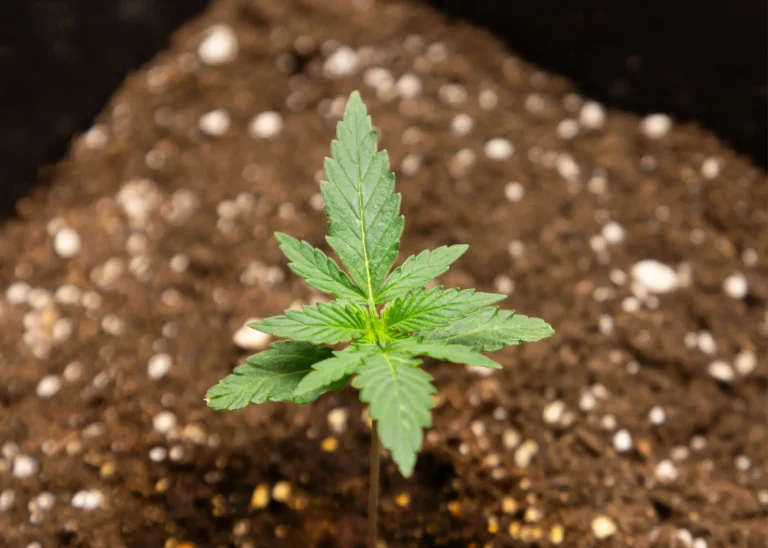
A cannabis plant’s roots rely on nutrients and oxygen to thrive inside a pot with a growing medium. Not only does aerated soil determine how well the roots develop, but it also affects drainage and how quickly the growing medium dries out, and it provides optimal conditions for beneficial bacteria and fungi to coexist.
Understanding Soil Aeration and Root Oxygenation
Compact, thick and dense soil can be harmful to a cannabis plant’s root system. A low-oxygen environment caused by poorly aerated soil will put pressure on the delicate root fibres as they search for tiny crevices and air pockets in the growing medium.
- Growing mediums that contain high oxygen levels will prevent anaerobic bacteria
- Harmful bacteria can infect a healthy root zone and cause the plants damage
- Oxygen promotes root elongation, resulting in a greater and well-established root mass
- Aerated soil reduces the chances of nutrient salts building up in the growing medium
How Aerated Soil Improves Cannabis Growth
There are many benefits to keeping soil well aerated when growing cannabis. The roots have the opportunity to spread out and develop without any restrictions or difficulty; the soil can maintain an optimal pH for the beneficial bacteria and fungi present; and an oxygen-rich, aerobic environment is created.
- Aerated soil improves root health and development
- Nutrient uptake and availability are positively affected
- The soil can maintain an oxygen-rich environment
- Soil is capable of drying out faster between waterings
- Roots can grow out in all directions with ease
- Oxygen increases the pH level of the soil
- Harmful pathogens cannot survive in oxygen-rich soil
Signs Your Cannabis Substrate Needs Aerating
Many different soil types become heavy, dense, and compacted when fully saturated. Cheaper garden centre soils will be the most problematic. Below are some of the different signs that soil aeration is required.
- The soil feels tight, compact and heavy when holding the pot
- The roots are taking a long time to grow out of the bottomof the pot
- Water slowly drains out of the pot and takes longer than 2 minutes
- There is a rotting egg smell coming from the soil when you get close
- The soil takes 2-3 days to dry out before the next watering
How to Aerate Soil for Cannabis Plants
There are several ways to create a well-aerated soil growing medium for repotting. Below are three different methods that you can use to enhance the ratio of air pockets and oxygen in the pot and around the root zone
Using Perlite
Perlite is cheap to buy, can be reused and is an excellent way to fluff up a growing medium. The advantages of using perlite at a 60% soil and 40% perlite ratio, when mixed with soil, are that the pots are much lighter, drainage is significantly improved, and dry-back times are much shorter.
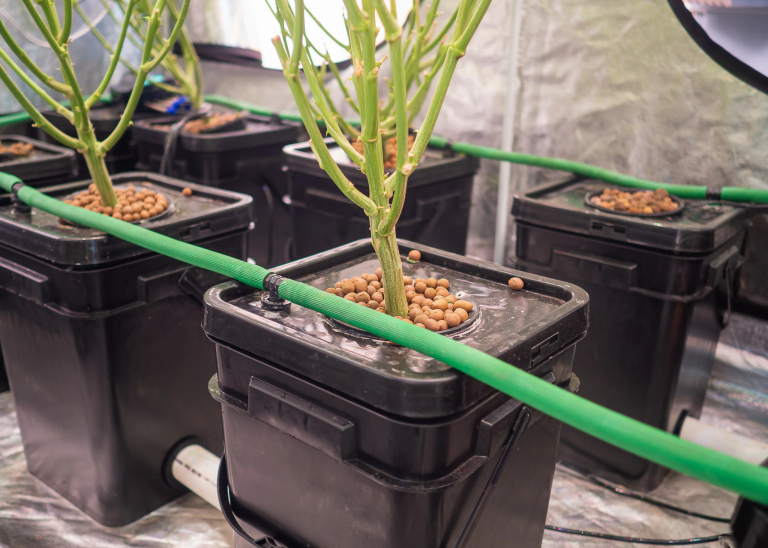
Hydroton
These are the little orange clay balls you’ve probably seen in a grow shop. Hydroton is an inert growing medium popular in hydroponic cultivation because it produces high levels of oxygen when used for growing cannabis. Adding a 5cm layer of hydroton at the base of your pot is a great way to enhance drainage and the number of air pockets.
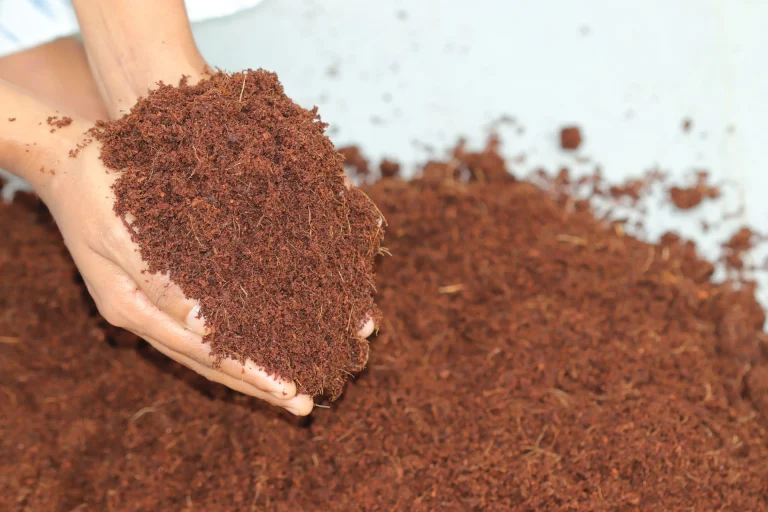
Coco coir
Adding coco coir to soil is my favourite way to create a spongy, oxygen-rich, well-aerated soil that promotes root health and development. I recommend adding 30% of coco coir to 70% soil for the ultimate aerated mix.
Atami’s Growing Medium Suggestions


Best Practices for Aerating Soil Without Damaging Roots
When aerating soil, you have to be very delicate not to disturb the roots. Root damage can cause plants to become stressed, cause stunted growth and disrupt plant development and flower production.
Squeezing the side of the plastic pot is one way to easily loosen up the soil at the edges and base. Doing so slowly and gently will not harm the roots and can be done on a plant in any size pot. Using a fork, chopstick or soil aerator can be risky when it comes to twisting the roots out of place. Using enzymes is a wonderful way to break down soil and improve the soil structure.
Mistakes to Avoid When Aerating Soil
When soil is too dense and compact, it can become problematic for roots and affect how well the soil drains and retains water. Below are some of the most common mistakes to avoid when aerating soil, and what to consider.
Over-Aerating and Root Stress
Roots that have established themselves inside a pot can easily become agitated and twisted using an aerating tool. If you are going to use a tool for aeration, be delicate and try to disturb the roots as little as possible.
Being Heavy-Handed
When aerating soil, you want to allow it to open freely and expose as much surface area as possible. Using excessive force will not only shock the roots and stunt plant growth but may also damage the taproot.
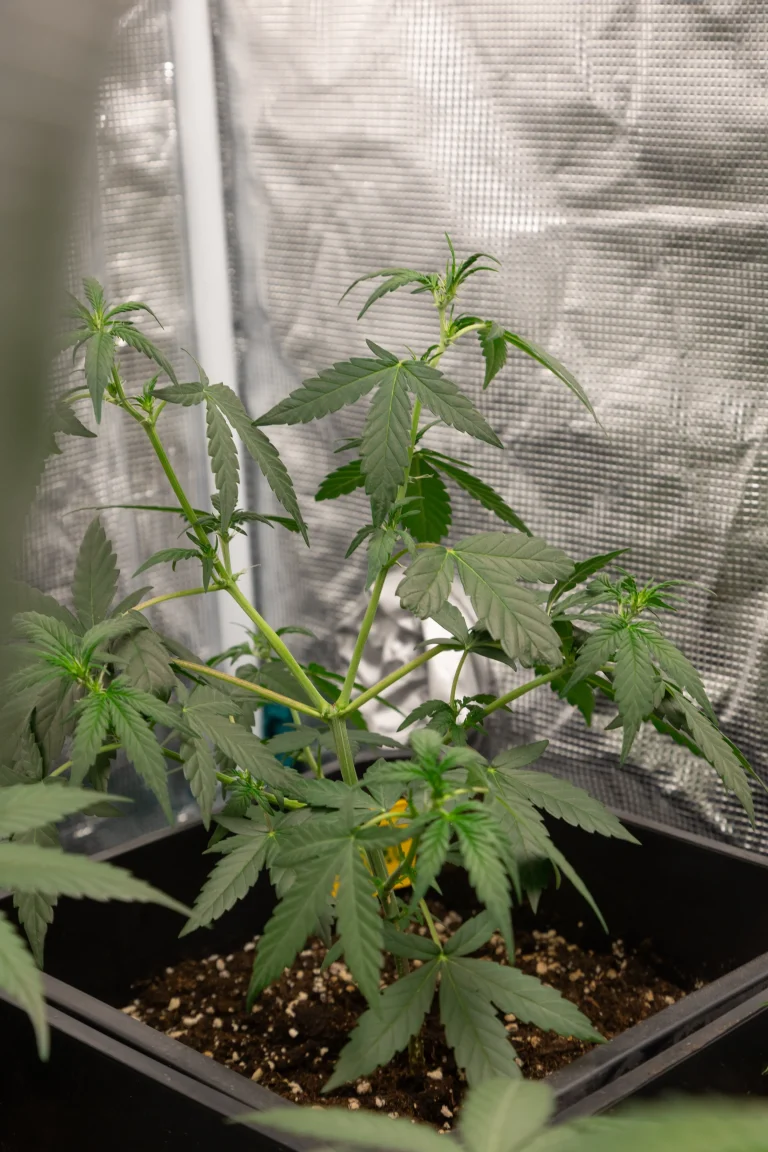
Soil Pathogens
Harmful bacteria in low-oxygenated soil will attack the roots, causing them to turn brown, become slimy, become fragile, and tear apart easily. If you notice your roots display the same characteristics, do not aerate the soil with a tool; use it on another plant pot. Do not risk cross-contaminating healthy soil with pathogens.
What About Aerating Soil for Autoflowering plants?
Autoflowering cannabis plants only have a short window to establish a root mass, vegetate and then focus their energy on flower production. 420 Seeds advises that autoflowering genetics will flower automatically at 28 days old. I recommend not disturbing the root zone of an auto after germinating and avoiding repotting autos.
Frequently Asked Questions About Soil Aeration
How Often Should You Aerate Soil?
Every 7 days, or once you notice the soil has become too compact and feels dense and heavy.
How Do You Aerate Soil Properly?
Perlite, coco coir, and hydroton are perfect for mixing with dense soil to create a well-aerated growing medium.