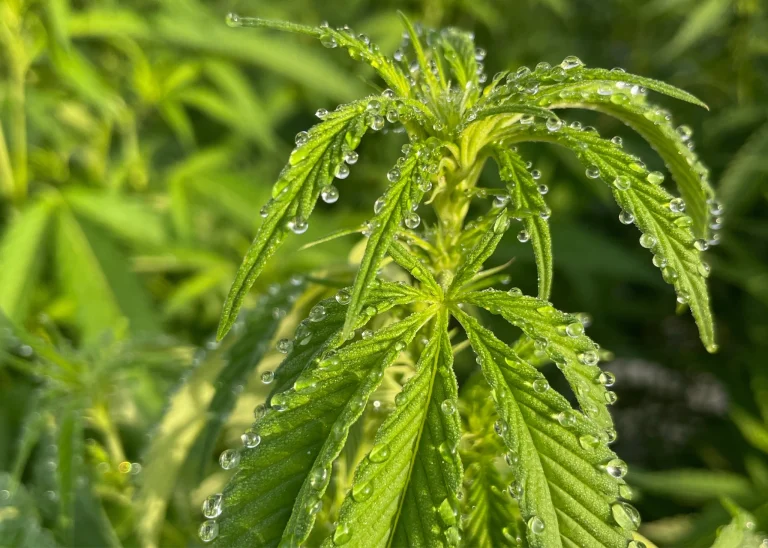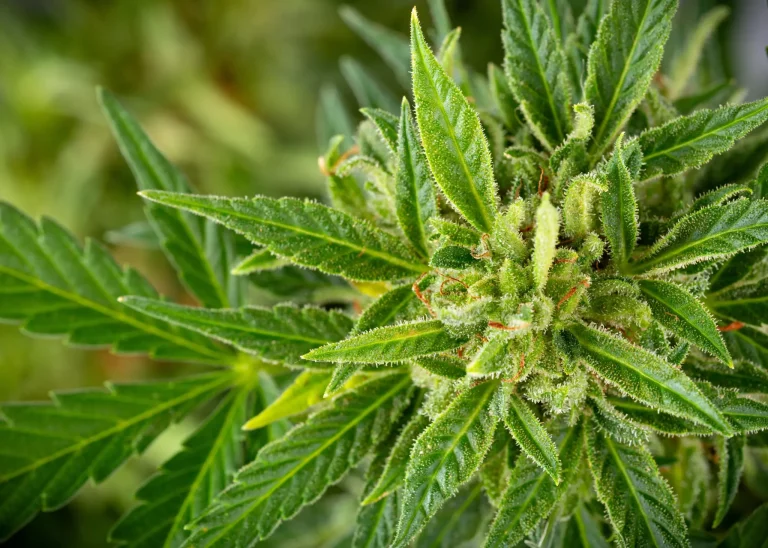
The flowering stage is the most exciting time for indoor or outdoor growers. You get to change the cannabis light cycle to flowering, and watch your plants develop those beautiful, frosty and terpene-rich buds! The veg to bloom cannabis stage is when all the magic happens, so making sure that you are well prepared and ready for anything will be beneficial.
In this article, I shall explain the veg to bloom cannabis stage, what to expect, when to flip cannabis plants to flower, how a 12/12 cannabis schedule affects growth, how to know when to start flowering cannabis, and the importance of maintaining a consistent lighting environment.
Understanding the Veg to Bloom Cannabis Transition
Watching your plants develop from seedlings into large-sized plants ready for a 12/12 cannabis schedule is a magical experience. The more you understand when to flip cannabis to flower and induce the cannabis light cycle for flowering, the more advantage you will have when it comes to nutrient management, watering frequency, controlling the stretch and transition feeding.
Below covers what happens during the veg to bloom transition, signs your cannabis plants are ready to bloom, when you can start flowering cannabis plants, and why timing matters for yield and plant health.
What Happens During the Transition from Vegetative Growth to Flowering
Once you know when the right time is to start flowering cannabis, you will be able to switch your timer and get ready to combine the flowering feed. When cannabis plants receive 12 hours of darkness, they will respond by:
- Producing hormones that cause plants to stretch
- Plants may double or triple in size in preparation
- Phytochromes are light-sensitive pigments that act as a biological switch
During the first 21 days after setting a 12/12 cannabis schedule, your plants will grow as tall and wide as possible, in an effort to get as close to the light source. Growers can expect indica or indica-dominant hybrids to double in size, whilst sativas can treble in height.
You will notice the first pre-flowers appear as tiny, thin white hairs at the internodes once the plants have ceased stretching, around day 21.
Signs Your Cannabis Plants Are Ready to Bloom
When to start flowering cannabis and preparing for the veg-to-bloom cannabis transition will be down to you. Below is a checklist that you can use to decide if it is the right time.
- Your plants have developed a strong and healthy root zone
- Any plant training techniques have already been performed
- The height and shape of the plant are practical for your grow space
- There are signs of pre-flowers after a long vegetative period
- The plants are fully healthy and robust
Why Timing Matters for Yield and Plant Health
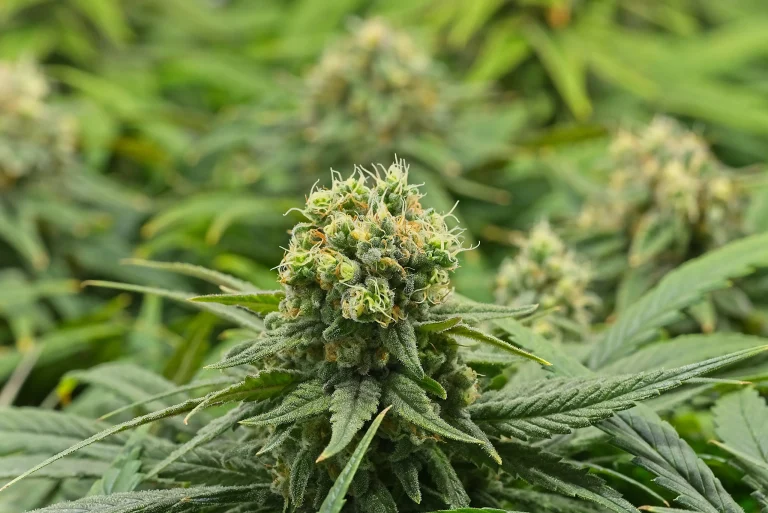
The cannabis veg to bloom transition is all about timing. Whilst it may be as simple as adjusting your timer to a 12/12 cannabis schedule for flowering, you will need to induce flowering at the right time. Knowing when to flip cannabis to flower will affect cannabis yield and plant health.
- Flowering large plants too late can result in oversized plants
- Without substantial vegetation time, plants may produce low yields
- Grow space will also determine the correct time to flower plants
When to Flip Cannabis to Flower
If you are not sure when to start flowering cannabis plants, then do not worry! Setting your timer to a 12/12 cannabis schedule should only be done at the right moment. Below are the factors to consider that determine when to flip cannabis to flower, how plant size and growing space influence when to start flowering cannabis plants and the most common mistakes to avoid, ensuring a smooth veg-to-bloom cannabis plant transition.
Factors That Determine the Right Time to Switch
There can be several factors that influence when to start flowering cannabis plants. Everybody is different, and there is no right or wrong number of weeks to vegetate cannabis plants.
- Growers using clones can flip their plants after 10 days of vegetative growth
- Seedlings will require at least 4 weeks before they are ready to flower in a SOG
- How much vertical space you have will play a role in the timing
- Your budget is covering electric bills and nutrients
- Cannabis plants should have at least 4 internodes before flowering
- Growers working with a crop rotation will flower every 4 weeks
How Plant Size and Growing Space Influence the Flip
The general rule of thumb is that indica cannabis plants double in size once they begin flowering. Sativa cannabis plants can stretch aggressively and will need training and proper maintenance. The size of your plants in vegetation can be used as a guide to how tall they can grow according to your growing space.
- Sea of Green setups using clones only require 10 days of vegetation
- Large-sized plants that require training or using a screen need 8-10 weeks of 18/6
- Hydroponic growers will want to induce flowering 7-10 days after vegetation
Common Mistakes to Avoid When Starting Flowering Cannabis
If you are a first-time grower or have very little growing experience, then you may be more prone to making mistakes during the veg-to-bloom cannabis cycle. Below are the most common mistakes to avoid.
#1- Incorrect Temperature and Humidity Levels
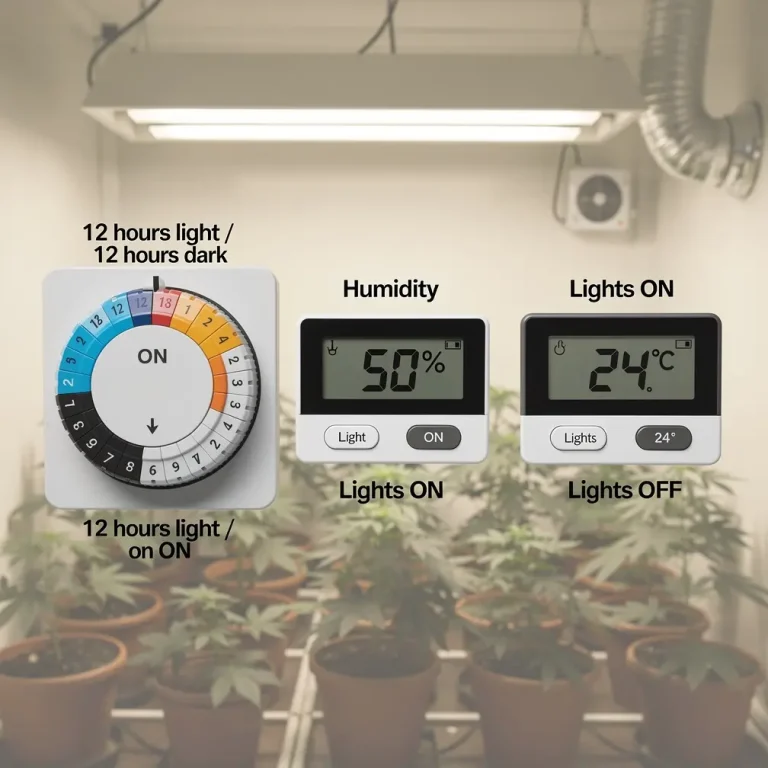
The temperature of your grow room should stay as close to 24 degrees Celsius as possible when the grow lights are on. Humidity levels during the flower stage should be reduced to 50%.
#2 – Not Removing Male Plants
Growers who use regular seeds will need to stay vigilant and remove any male plants from the grow space. Using feminised seeds eliminates the need to sex plants, remove pots containing males, and ensures you only grow female plants that produce buds.
#3 – Poor Ventilation Quality
A well-ventilated grow space will keep your plants cool and as happy as possible. Poor ventilation can cause buds to become moldy and lead to temperature and humidity fluctuations.
#4 – Nutrient Lockout
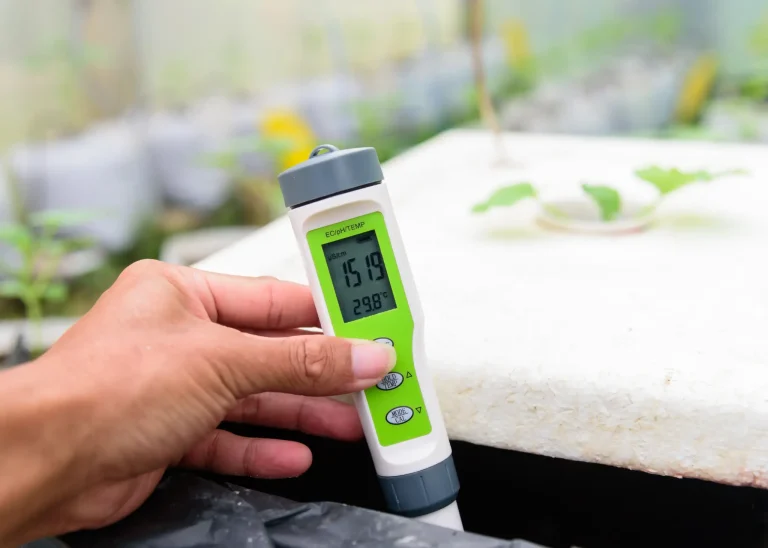
Cannabis plants require a specific pH range to use the available nutrients in the soil. Veganic cannabis plants should be given a nutrient solution at a pH between 6.0 and 7.0, and hydroponic systems need a range between 5.5 and 6.5.

Managing the Veg to Bloom Transition Cannabis Plants Need
The transition stage is the window during which plants adapt to the extended 12-hour period of darkness. During this time, they will no longer focus on vegetative growth. They will prepare for flowering by stretching as tall and wide as possible.
Managing the veg to bloom transition will give your cannabis plants an extra boost. Below are highlights on how to correctly adjust the nutrients for the transition stage, changing the cannabis light cycle to a 12/12 cannabis schedule and what to expect during the first two weeks of the transition stage.
Adjusting Nutrients for the Transition to Bloom
- Always follow the VGN line feeding chart as a guideline
- Do not overfeed plants, as this will cause nutrient burn
- Use an EC meter to determine the nutrient strength
- Make sure that the pH level is in the optimal zone
Changing the Cannabis Light Cycle for Flowering
- Change the timer to 12 hours of light and 12 hours of dark
- Make sure the segments of the timer are fully pressed down
- Lower humidity levels inside the grow room to 50%
- The temperature when the lights are on should be 24 degrees Celsius
- The temperature when the lights are off should be 24 degrees Celsius
What to Expect During the First Two Weeks After the Flip
Once you switch the grow timer to 12/12, your plants will shift from vegetative growth to flowering. During the first two weeks, you can expect:
- The plants need to stretch and become bushy
- The internal spacing significantly increases
- Plants will begin to produce tiny white hairs
- Plants will stop stretching between weeks 3 and 4
Setting Up a Successful 12/12 Cannabis Schedule
Cannabis plants are phototropic, meaning that they respond to darkness. When they are on a 12/12 cannabis schedule, they will induce flower production. The following explains how the 12/12 light cycle triggers flowering, what changes the plants undergo, and how to maintain a consistent lighting environment and monitor plant health and development throughout early flowering.
How the 12/12 Light Cycle Triggers Flowering
Cannabis plants will respond to a shift in the light cycle in several ways. The first is a flush of hormones that the plants produce and send to the rest of the plant via stems and branches. The second is the plant pigment phytochrome, which is responsible for red-light absorption.
Maintaining Consistent Light and Dark Periods
- Maintaining consistent light and dark periods prevents hermaphrodism
- Cannabis plants require uninterrupted periods of darkness
- Power cuts can cause temporary light breaks
- Use a grow tent or a well-built space
Monitoring Plant Health Throughout Early Flowering
You must keep a close eye on your plants and carefully monitor them once they have started flowering. It will be your responsibility to check the leaves of your plants and make sure they are not deficient or showing any signs of wilting, nutrient burn, or discoloration. Identifying and addressing a nutrient problem during the veg-to-bloom cannabis transition will help you produce the best-quality buds and yields possible.