Today, we’re exploring the wonderful world of companion planting—an ancient agricultural practice that holds the key to successful and harmonious plant relationships. So, grab your gardening gloves and let’s explore how these green alliances can benefit your garden and make your plants flourish!
What is companion planting and how does it work?
Companion planting is a centuries-old agricultural practice that involves cultivating different plant species in close proximity to one another. This technique offers a multitude of advantages, including improved crop growth which usually leads to enhanced yields. But also, pest control and soil enrichment among others as the Center for Agriculture, Food, and the Environment of the University of Massachusetts explains in its article about plant companionship.
But how does this actually work?
Plants cannot move or speak but they have their own way to interact with the environment. They produce fragrances and active substances (allelopathic substances) that they release into their surroundings. Scents, for example, drift through the air and attract insects, which are looking for a particular plant to eat at or deposit their eggs on. For us, this is a plague.
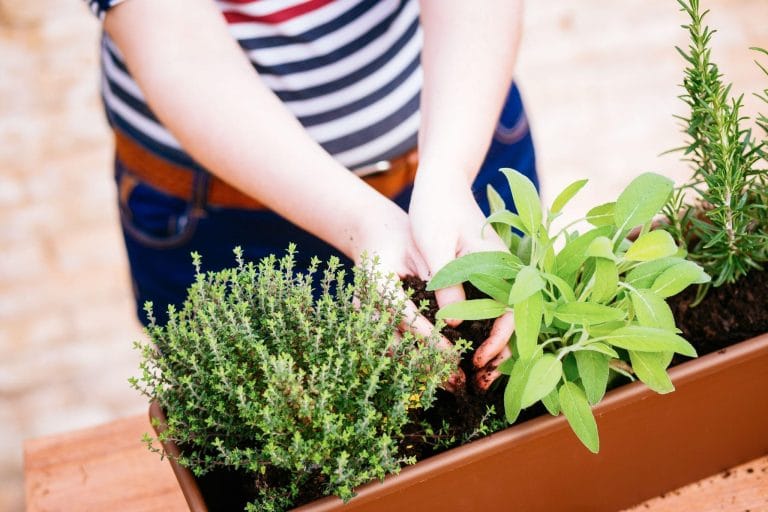
Now imagine having so many different plants around you, giving off totally different scents and secretions. The resulting mixture of smells deters the insect, given the difficulty of finding that particular plant, and it moves away. Also, some plants produce smells to actually repel insects. Those are some of the things happening with companion planting.
But this doesn’t stop there!
What happens at the root level, even if it is invisible to us, also determines the reciprocal impact of each plant on its neighbours. Substances produced by the roots, different nutritional needs, the particular microorganisms each plant attracts and works with… The companion planting must be considered not only in relation to what happens in the space above ground, but more also to what is happening into the soil!
Now that we are more into the topic, let’s have a view of all the wonders that companion planting can bring to your garden!
Plants assemble! – Benefits of companion planting.
Gardens of all sizes, from small pots to big cultivation areas, and both conventional and organic farming methods can take advantage of the benefits of companion planting. This also works for ornamental gardens! Let’s number the most important ones:
1. Pest control: nature’s defense system.
Picture this: mint or basil plants acting as a botanical bodyguard, repelling whiteflies, and aphids from their neighboring vulnerable plants. Yes, you read that right! Certain plant combinations emit scents and secretions that confuse and keep pests away. By strategically planting these pest-repelling companions, you can safeguard your garden. It’s like having your own green-thumb security team!
2. Attracting pollinators – a major benefit.
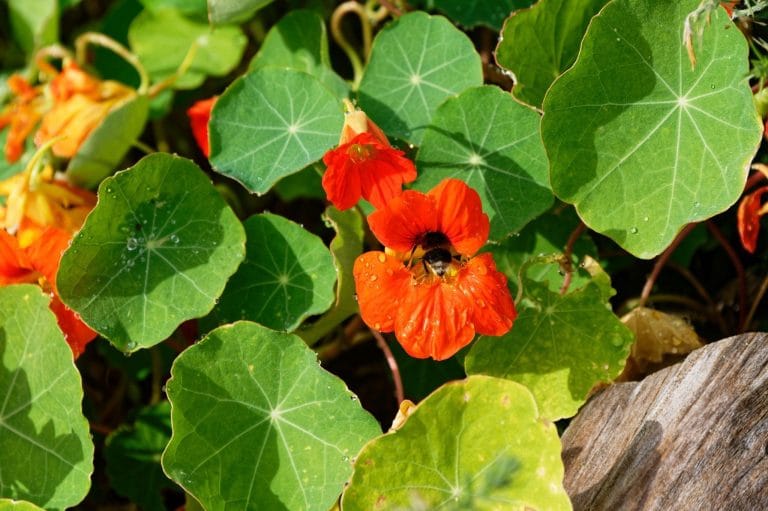
Bees, butterflies, and other pollinators are vital for a healthy garden. Luckily, certain plants act as magnets, attracting these winged friends. Having plants with vibrant flowers or nectar-rich herbs as companion plants will create an enticing environment that encourages these important guests to visit your garden. It’s as if your plants are hosting a buzzing lively garden party, and that insects are the VIPs!
3. Soil improvement: Natural fertilizer producers.
There are plants that bring great benefit to all their companions, just like that neighbor who bakes a cake and gives you a slice! This is the case of leguminous plants like beans and peas. These plants work alongside bacteria that have the incredible ability to fix atmospheric nitrogen, enriching the soil. When grown alongside other plants, they provide a natural fertilizer, improving soil fertility and benefiting their neighboring green pals. It’s a win-win situation where plants help each other grow and thrive!

4. Efficient use of space – get the most out of your garden.
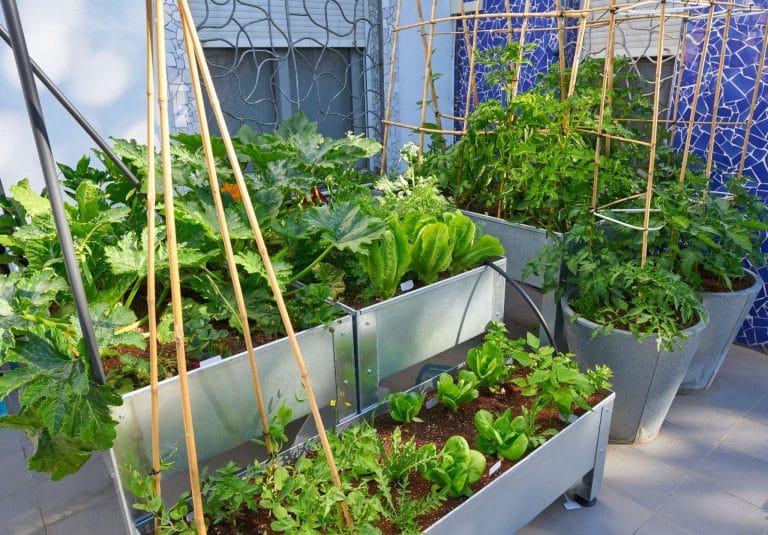
One of the key benefits of companion planting is its ability to optimize space utilization. By combining different plants in the same area, you can maximize soil use and grow more crops in a limited space, this is why this method is perfect for urban gardens. If you want to know more about this topic visit our urban gardens blog.
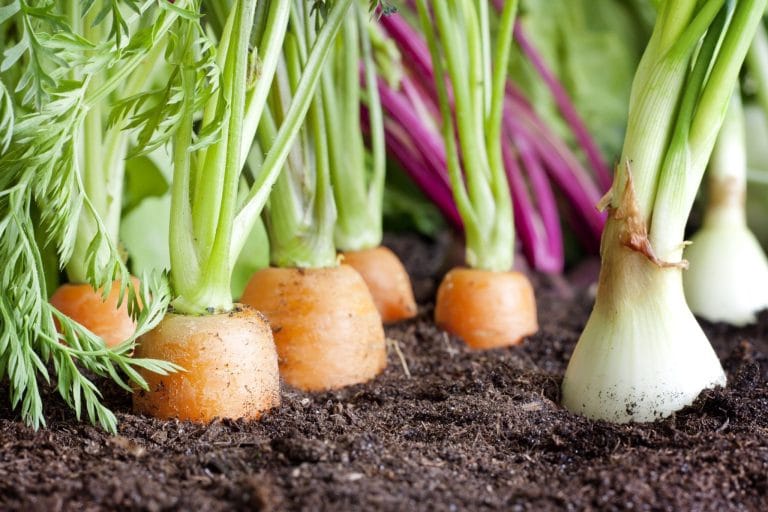
Let’s give an example! Growing tomatoes, onions, and carrots together – In addition to benefiting each other, will ensure an efficient use of your garden, as those plant necessities are similar, and they grow occupying a different space.
But this method not only allows for a more bountiful harvest, but it also increases biodiversity, creating a more conscious and nature-like garden.
5. Shading and Protection.
Tall plants, like beans or corn, can act as nature’s skyscrapers, providing shade and protection to their more delicate neighbors. Whether it’s shielding against intense sunlight or providing a barrier against strong winds, these green guardians create a safe environment for their companions. But it can work the other way around. Creeping and ground-covering plants, such as cucurbits, cover the soil, keep it moist for longer and protect it from weeds.
A perfect match! – Selecting the best companions.
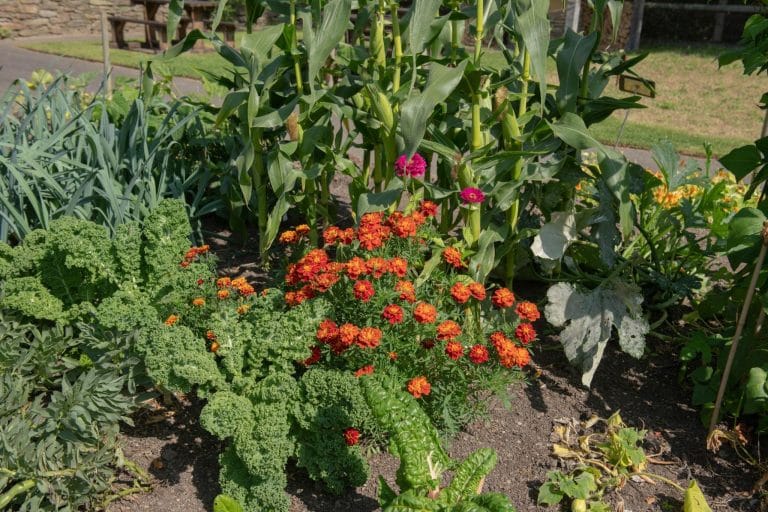
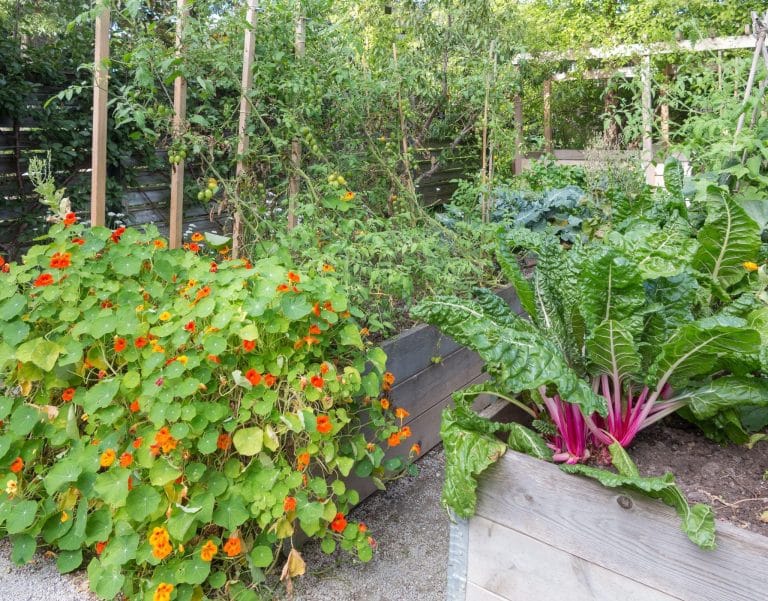
1. The first place goes to Nasturtiums (Tropaeolum majus). This plant needs a special mention for being a well-known plant companion, protecting a lot of different plants from pests. Nasturtiums act as an attractive sacrificial plant, luring different predatory pests such as aphids, cabbage moths, cucumber beetles, whiteflies, aphids, and squash bugs, as Gardening Know How states in the blog “Planting Nasturtiums For Pest Management”. They are a great help in deterring pests of brassicas, like broccoli, brussels sprouts and kale, cucurbits as cucumbers or pumpkins, legumes and some nightshades like aubergine and peppers. French marigolds (Tagetes sp.) and their particular intense aroma also make them a fantastic and well-known companion plant for plants such as tomatoes. Also, both plants attract pollinators, so having them in your garden is a great catch.
2. Carrots and leeks – great synergy. Alliums like leeks, garlics, and onions when coupled with root vegetables like carrots and parsnips, works great for both parts. The scent of carrots can repel leek moths and the scent of leeks can deter carrot fly. If you don’t have space for leeks, consider smaller species of the Allium sp. like chives. If you want to boost the protection even more, add lavender to the equation. The result, both practical and aesthetic, will be 10 out of 10!
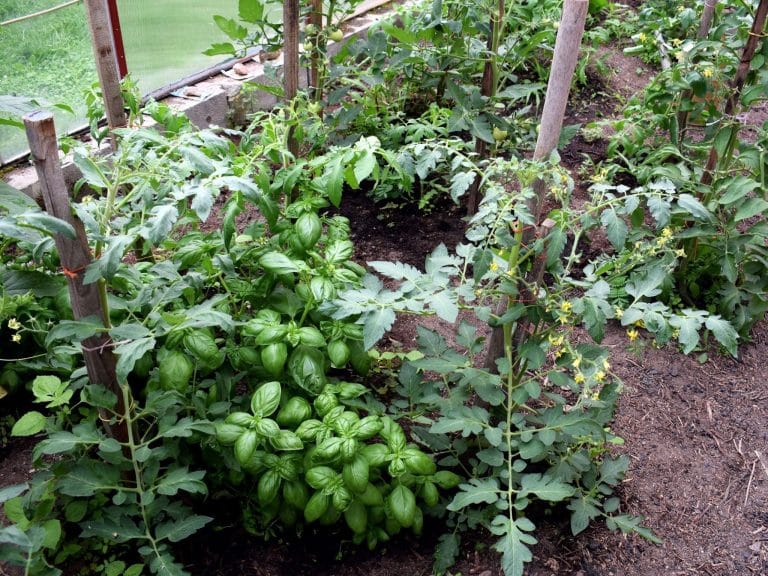
3. Tomatoes and basil harmony. In fact, when it comes to companion planting, this couple is a prime example of the perfect growing mates. So, do they help each other to grow? The short answer is yes. The large, leafy foliage of tomato plants create a perfect growing environment for basil. Basil prefers moist soil, and the canopy of tomato leaves helps preserve moisture and basil tender leaves from baking out in the hot summer sun. On the other way around, basil scent repels whiteflies and other plagues from tomato plants. This also works with parsley if you like that aromatic herb more! But people who tried the first combination also said that basil helps to improve the flavor of tomatoes – there is no scientific evidence for this, but it doesn’t hurt to try it!
4. Corn, beans, and squash – the Three Sisters synergy.
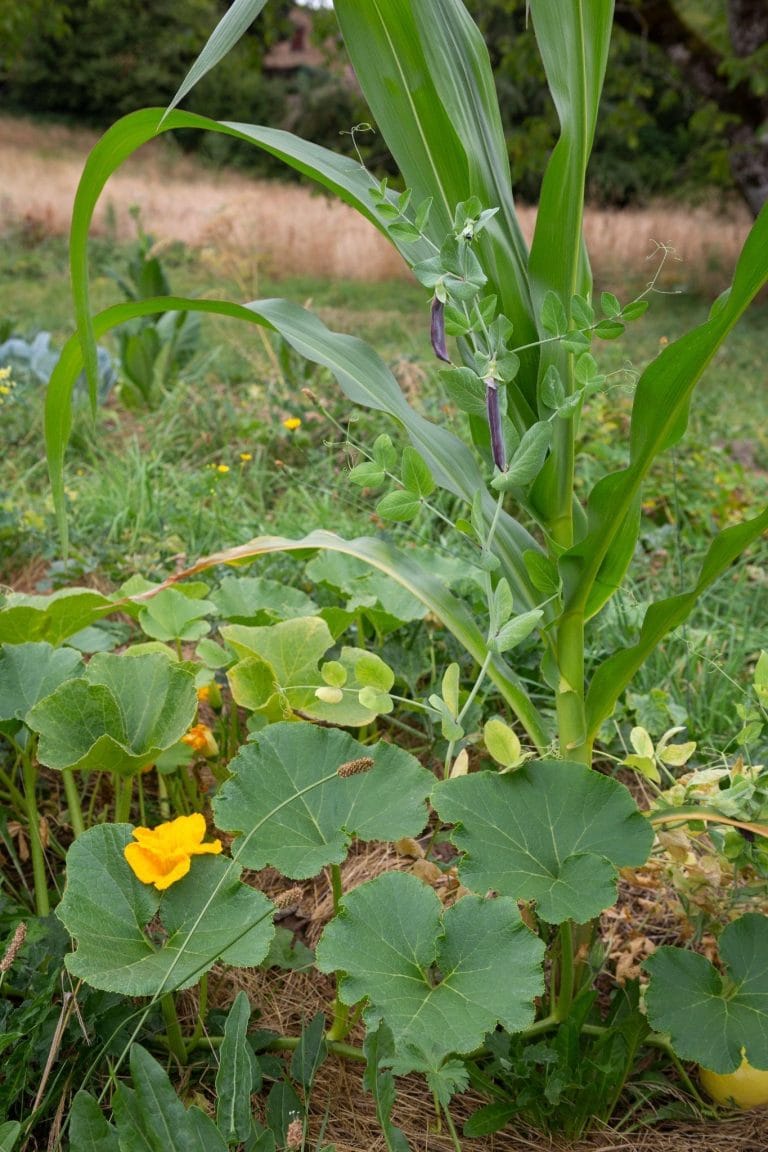
This is a classic combination practiced by indigenous cultures for centuries. The corn plant serves as a support for the bean plant, which works with nitrogen-fixing bacteria to provide nitrogen. The squash with its tough, prickly leaves helps to prevent weeds and reduce pests. Also, as a creeping plant, it covers the soil, preventing it from losing too much moisture. All three plants have similar nutritional requirements, and their growth pattern is perfect for complementing each other and making very efficient use of the available space.
5. Lettuce-Radish Duo. Fast-growing radishes, or other root plants such as beetroot, break through the soil and provide ample space for the slower-growing lettuces to grow well. Radishes will mature earlier and will not compete for space with lettuce, which will be harvested later, as Bonnie L. Grant explains in her article for Gardening Now How “Radish Companion Plants: What Are The Best Companion Plants For Radishes”.
6. Spinach and pepper go well together. Spinach provides soil shade, maintains moisture, reduces weeds, and attracts beneficial insects. Pepper plant protects spinach from harsh direct sunlight. Also, spinach matures in about 40-50 days, so you may be able to harvest two crops of spinach for each crop of peppers (70-80 days from transplanting to 1st harvest, although it depends on the variety).
Plant Communities to Avoid.
While companion planting offers numerous benefits, not all plant combinations work harmoniously together. Some plants may compete for nutrients or be vulnerable to similar diseases. Therefore, it’s crucial to research and choose suitable combinations for your garden. For instance, beans and onions or cabbages and onions are not a match made in garden heaven. By understanding the needs and preferences of different plants, you can curate an ecosystem that fosters growth and resilience. Here we provide you with a handy list of combinations to steer clear of, ensuring your garden thrives without any unwanted setbacks.
The unfavorable combinations which need to be remembered are:
- Beans (or peas) and onions (and garlic).
- Cabbage and onions.
- Potatoes and onions.
- Potatoes with cucurbits and tomatoes.
- Cabbage lettuce and other brassicas with strawberries.
- Beetroots and tomatoes.
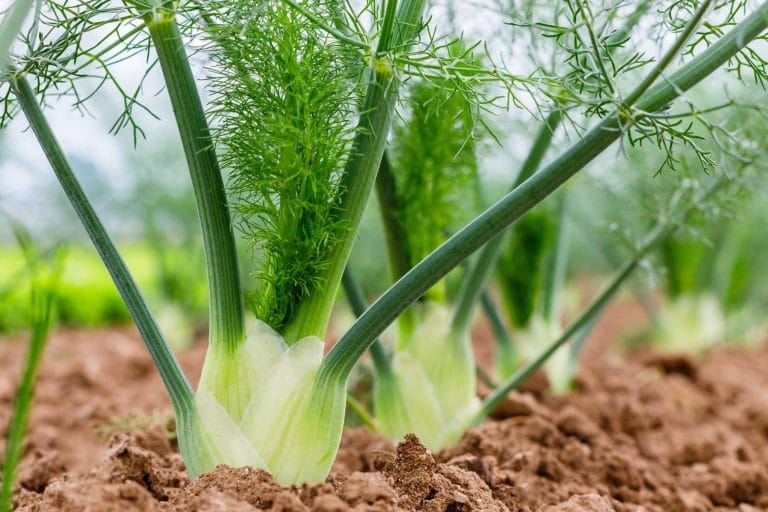
- Fennel, in general, is a bad companion plant that should be kept separate from other crops, having its own space.
*ONE TIP! The best strategy is to place companion plants as closely together as you can, but without compromising their spacing needs. Usually, you can find that information on the seed packaging or in plant care manuals. As you know, not all plants’ needs are equal, and some require more room than others. If this is the case, be guided by the plant that needs the most space, and even if you don’t give it all the space it needs, stick to a value close to it. For example, if one plant needs 10-15 centimeters, but the other needs 35-40 cm, you can plant them 25-30 cm apart.
You can also take this into account for plants that do not benefit from each other – the further apart they are, the less they influence each other!
Great! You are now equipped with the knowledge of how plant companions can work in your garden! From maximizing space utilization and deterring pests to attracting pollinators and improving soil fertility, the benefits of companion planting are endless. Just remember to choose your companions wisely and let synergy and harmony between plants reign in your garden. Are you ready to put your green thumbs to work and create a flourishing garden thanks to companion planting? We are sure you are so… Happy gardening!